A floor takes more punishment than any other surface in a building. Heavy traffic, trolleys, spills and cleaning all wear it down. Epoxy floor coatings are built for that job, and National Paints’ NP Floor range offers a primer and a high-build floor coating designed to work together.
Key takeaways
- National Paints describes EP 120 as resistant to impact, abrasion, chemicals, oils, acids and alkalis. These are manufacturer claims, not results from independent testing.
- Epoxy floor coatings are commonly specified for workshops, warehouses, plant rooms, car parks and commercial kitchens.
- Good surface preparation decides how well any coating bonds. The primer, P 120, is the bridge between the concrete and the topcoat.
- Mix part A and part B in the ratio on the data sheet.
- Work with good ventilation and wear the gloves, eye protection and respiratory protection that the safety data sheet (SDS) specifies.
What the NP Floor system includes
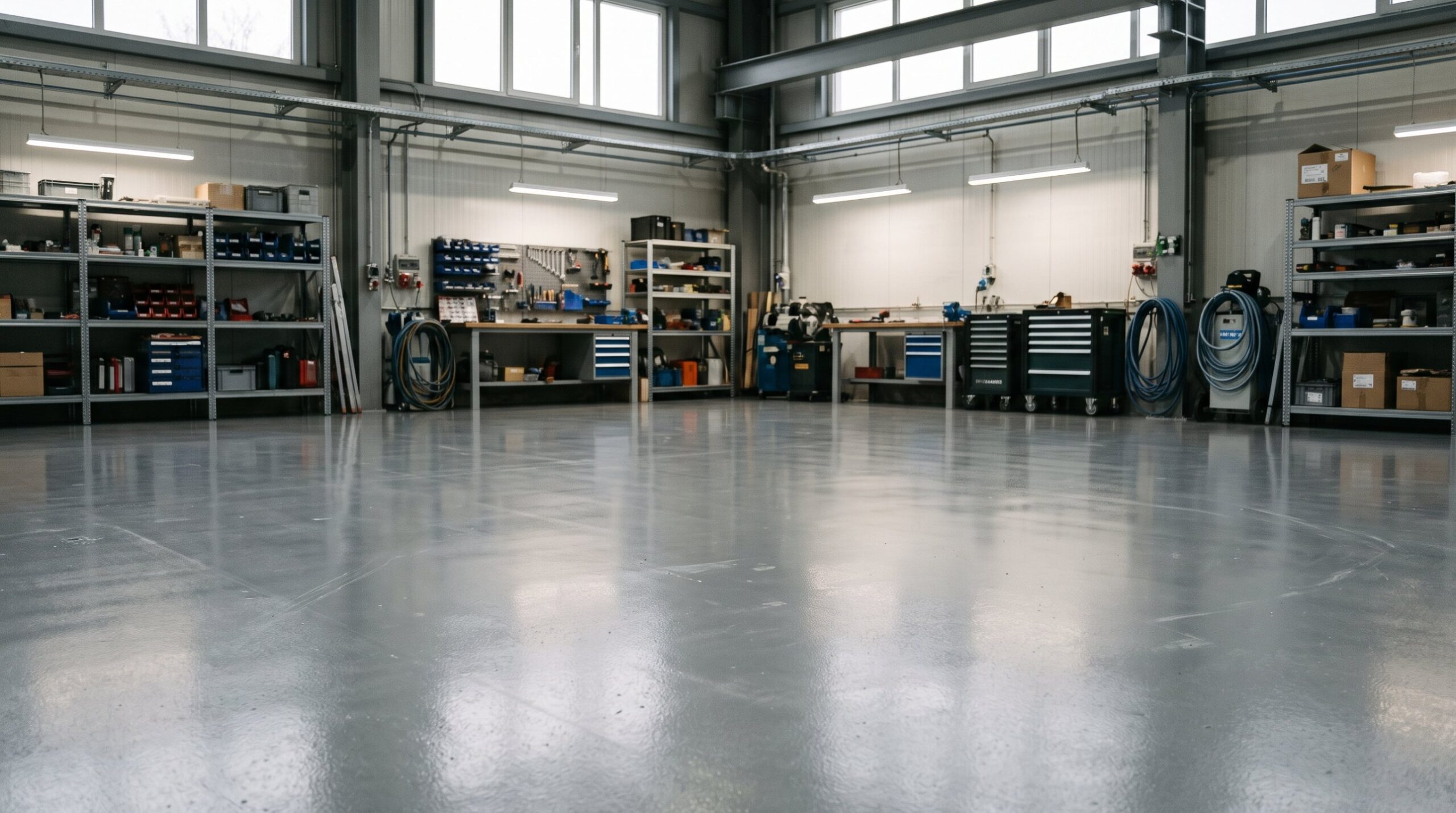
- NP Floor P 120: a two-component, solvent-free epoxy primer and sealer. It is the first layer in the NP Floor system and is described as improving adhesion for later epoxy and polyurethane topcoats.
- NP Floor EP 120: a two-component, pigmented, solvent-free, high-build epoxy floor coating. National Paints describes it as a seamless, highly durable floor protection.
| Product | Type | Role in the system |
|---|---|---|
| NP Floor P 120 | Two-component, solvent-free epoxy primer and sealer | First layer; described as improving adhesion for later epoxy and polyurethane topcoats |
| NP Floor EP 120 | Two-component, pigmented, solvent-free, high-build epoxy floor coating | Topcoat; described as seamless, highly durable floor protection |
What the manufacturer says EP 120 resists
National Paints describes EP 120 as resistant to impact, abrasion, chemicals, oils, acids and alkalis. These are the manufacturer’s stated properties. The data sheet gives the tested performance and the conditions that apply, so check it before relying on any of these properties for a specific job.
Where epoxy floors are typically used
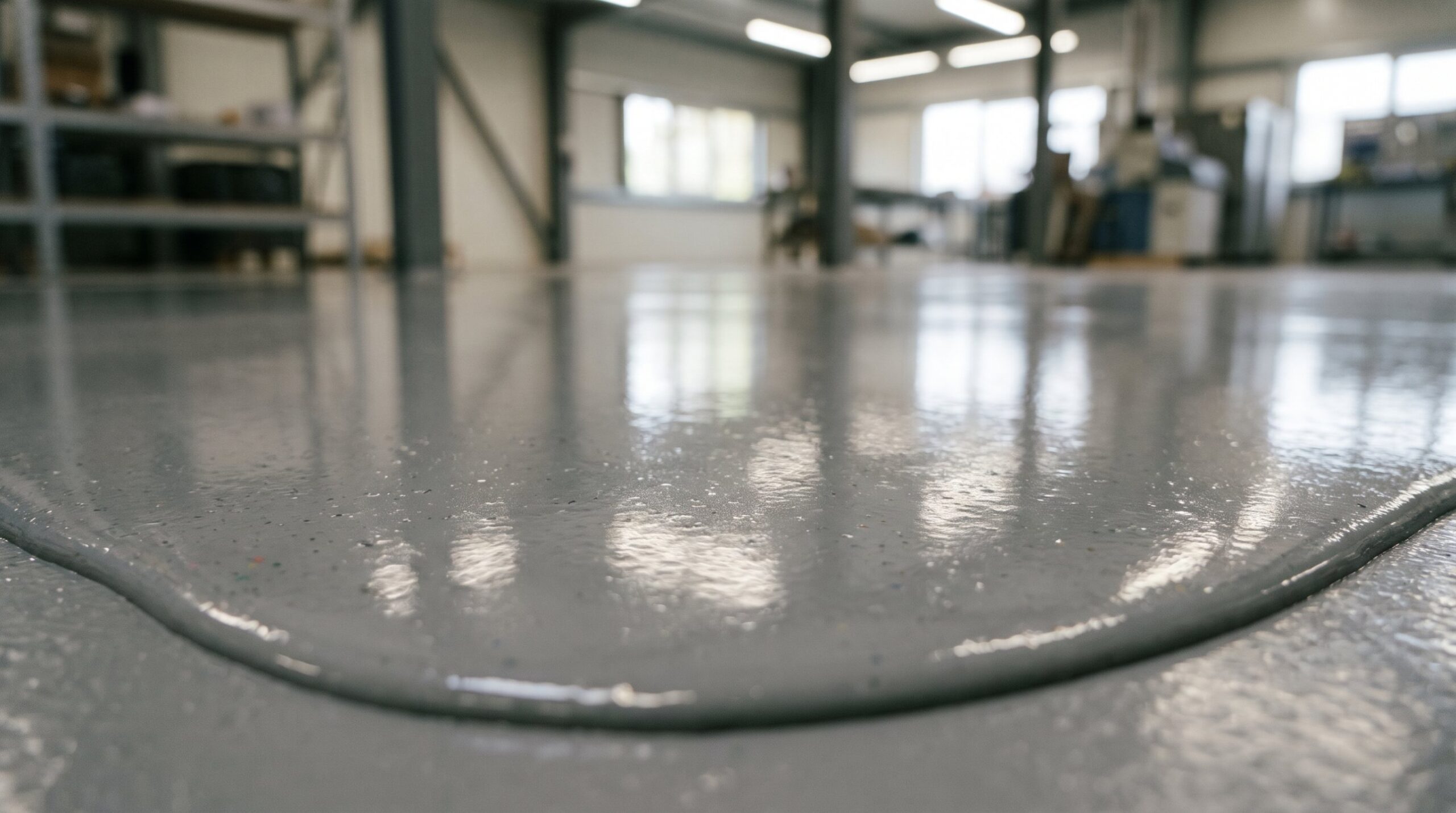
Epoxy floor coatings are commonly specified for workshops, warehouses, plant rooms, car parks and commercial kitchens. Whether a product suits a given area depends on its data sheet and the exposure. Ask our team to confirm before you order.
Surface preparation comes first
Good preparation decides how well any coating bonds. In general practice:
- Clean the floor and remove oil, grease, dust and loose material.
- Open up the surface mechanically as the data sheet specifies, so the primer can grip.
- Repair cracks and holes before coating.
- Check the concrete’s moisture and let it dry out where the data sheet requires.
Why the primer matters
P 120 is the bridge between the concrete and the topcoat. A primer that bonds well gives the coating a sound base. Apply it as the data sheet directs, and recoat within the window the data sheet specifies.
Mixing and application
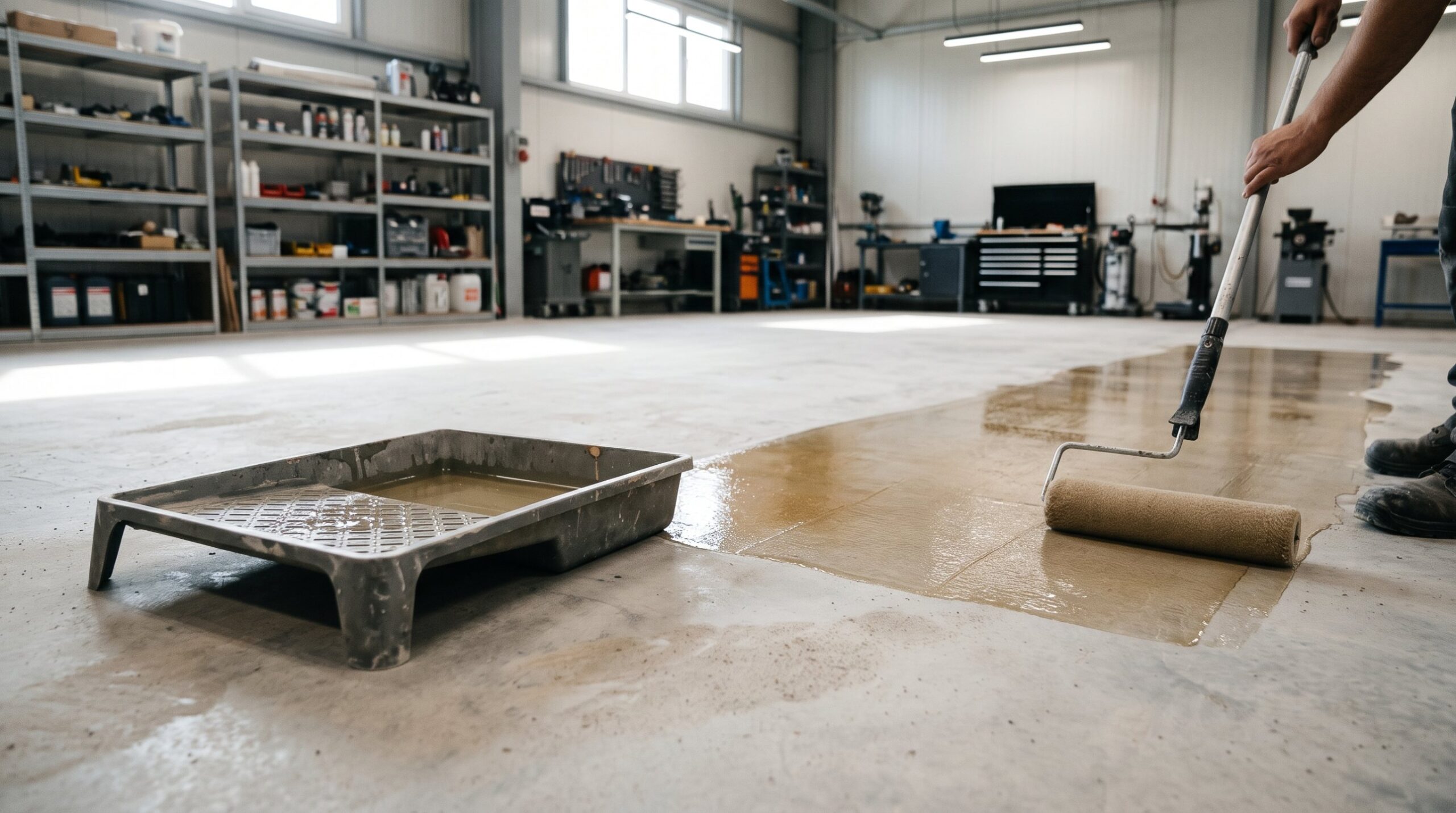
Both products are two-component, so mix part A and part B in the ratio on the data sheet and only as much as you can apply within the pot life. Heat shortens pot life and speeds curing, so plan application for cooler hours and check the surface and ambient temperature. Keep the mixing ratio exact; an incorrect ratio is a common cause of poor curing.
Safety
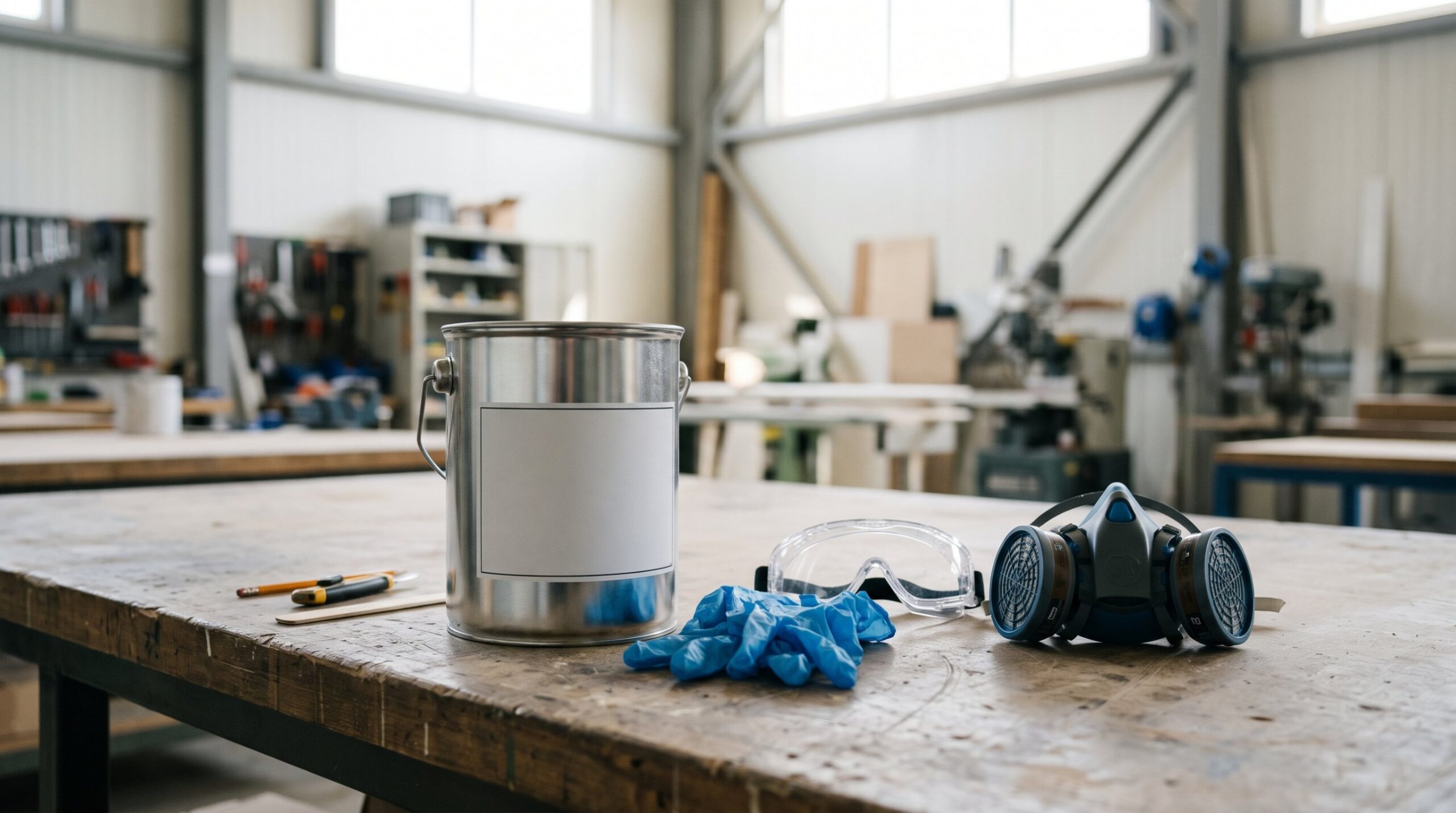
Work with good ventilation, and wear gloves, eye protection and any respiratory protection the safety data sheet (SDS) specifies. Keep the SDS on site.
Before you order: a short checklist
This guide does not include coverage, mixing ratios, pot life or drying times. These depend on the product and must come from the current technical data sheet (TDS).
- Confirm the current TDS for coverage, mixing ratio, pot life, recoat and cure times.
- Confirm the substrate and exposure suit the product.
- Plan the surface preparation and allow time for it.
- Ask for the SDS and keep it on site.
Quick facts
- P 120: two-component, solvent-free epoxy primer and sealer for the NP Floor system.
- EP 120: two-component, pigmented, solvent-free, high-build epoxy floor coating.
- Manufacturer’s stated resistance: impact, abrasion, chemicals, oils, acids and alkalis.
Closing
Choosing the right primer and topcoat as a pair matters as much as choosing the product. If you are planning a floor, contact Al Tashteb and we will help you match NP Floor products to the area and send the current data sheets.