Short answer: National Joint Filler is a ready-to-use, flexible acrylic polymer paste for filling gaps up to 1 cm in cementitious surfaces, walls and concrete, inside and out. Clean the gap of dust, push in polyurethane backer rope where the gap or cavity is larger, then press the filler in with a scraper, knife or blade. It is hard dry in 24 hours at 30°C and dries matt white.
What Joint Filler is for
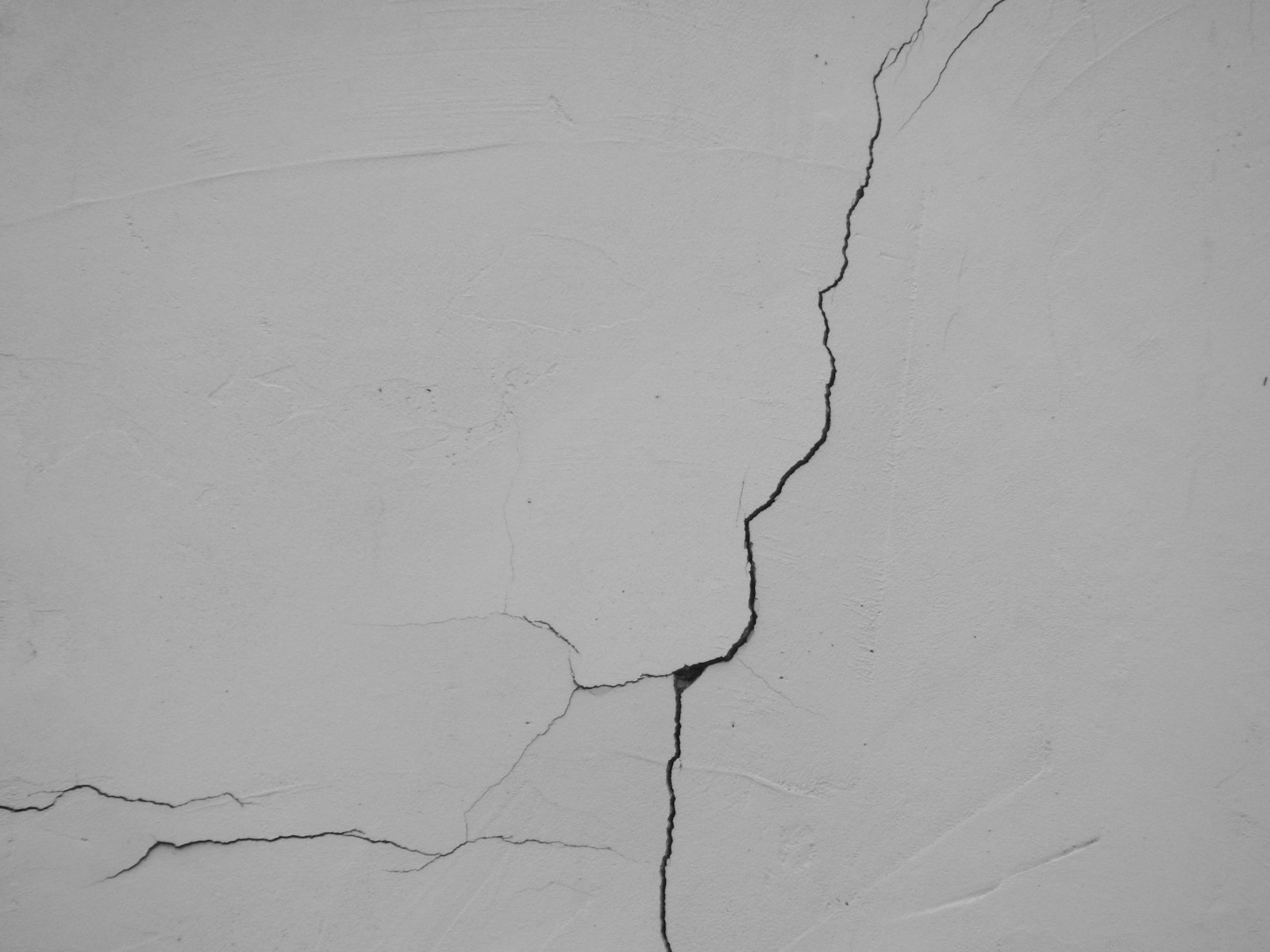
Typical gaps: between blockwork and door or window frames, along the line where a partition meets a column, and cracks in render. Because it is flexible, it is meant to cope with small movement better than a rigid filler. It is not a sealant for designed movement joints. Which National filler for which job:
| Problem | National product |
|---|---|
| Gaps and cracks up to 1 cm | Joint Filler |
| Larger gaps or cavities | Polyurethane backer rope, then Joint Filler |
| Porous, open-textured blockwork | Block Filler |
| Smoothing interior walls before paint | Stucco Filler |
| Uneven or unplastered interior walls | Spray Plaster Fine |
| Dents in car bodies or wood | Polyester Putty or N.C. Putty |
Key facts
| Type | Water-based flexible acrylic polymer emulsion with inert filler |
| Uses | Gap filling up to 1 cm in cementitious surfaces, walls and concrete |
| Where | Interior and exterior |
| Form, finish and colour | Thick paste; matt white |
| Specific gravity | 1.35 |
| Drying at 30°C | Hard dry 24 hours |
| Application | Scraper, knife or blade |
| Thinning | Ready to use; clean tools with water |
| Shelf life | 18 months, sealed |
Step by step
- Open and clean the gap. Rake out loose material and brush out all dust; the data sheet requires a clean, dust-free surface. National’s surface preparation guide also asks for surfaces to be dry and sound.
- Back deep gaps. Where the gap is wider or deeper than the filler can bridge, push in polyurethane backer rope first, as National recommends.
- Fill. Press the paste in with a scraper, knife or blade, working it to the back of the gap, then strike it flush.
- Dry. Leave 24 hours at 30°C until hard dry.
- Paint. Prime and finish with the wall system you are using, for example PVA Primer White and Matt Emulsion.
How much to buy
Use depends on the gap’s width and depth, so National gives no spreading rate. As a rough guide from simple geometry, a 1 cm × 1 cm gap holds 0.1 litre per metre, so 10 metres of that gap needs about 1 litre of paste before any waste. That is our own calculation; backer rope reduces it.
Mistakes to avoid
- Filling dusty gaps. Dust stops it bonding.
- Using it for wide joints without backer rope. The sheet limits it to 1 cm.
- Painting before it is hard. Allow the full 24 hours.
Frequently asked questions
Can it be used outside?
Yes, the data sheet lists interior and exterior use.
Does it need thinning?
No, it is ready to use. Water is only for cleaning tools.
Buy in Sharjah and Dubai
Al Tashteb Al Saree is an authorised National Paints retailer in Bu-Tina, Sharjah. Message us on WhatsApp for Joint Filler, or see all National Paints products.
Sources
All via AEC Online, retrieved 4 November 2026. Quantities are our own calculations. The main image is illustrative.