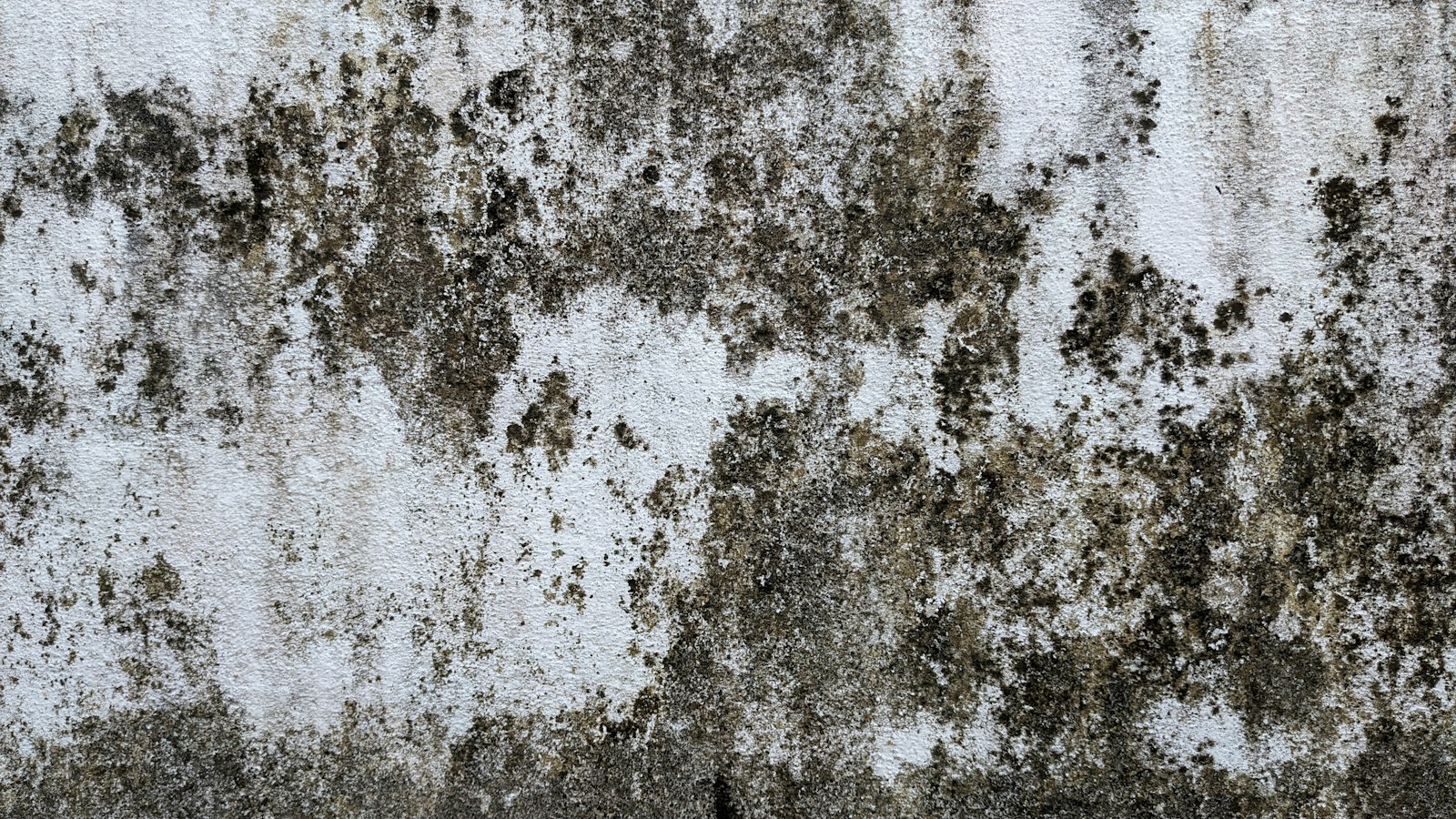
Black or grey spots on a bathroom ceiling, around a window or behind the kitchen sink are almost always mould, and painting straight over them does not work. The mould stays alive under the new coat, the paint peels, and the spots return within weeks. The fix is in three parts: stop the moisture, clean the mould off properly, then repaint with a coating suited to wet rooms.
Key takeaways
- Mould needs moisture. Fix the leak or condensation first, or it will come back.
- Never paint over mould. Clean it off, let the surface dry fully, then paint.
- Small patches can be a DIY job. Large areas or mould after a leak or flood need a professional.
- Wear gloves and eye protection, and follow the label of any cleaner you use.
- Run the extractor fan or open a window every time you shower or cook.
Why mould keeps coming back in UAE homes
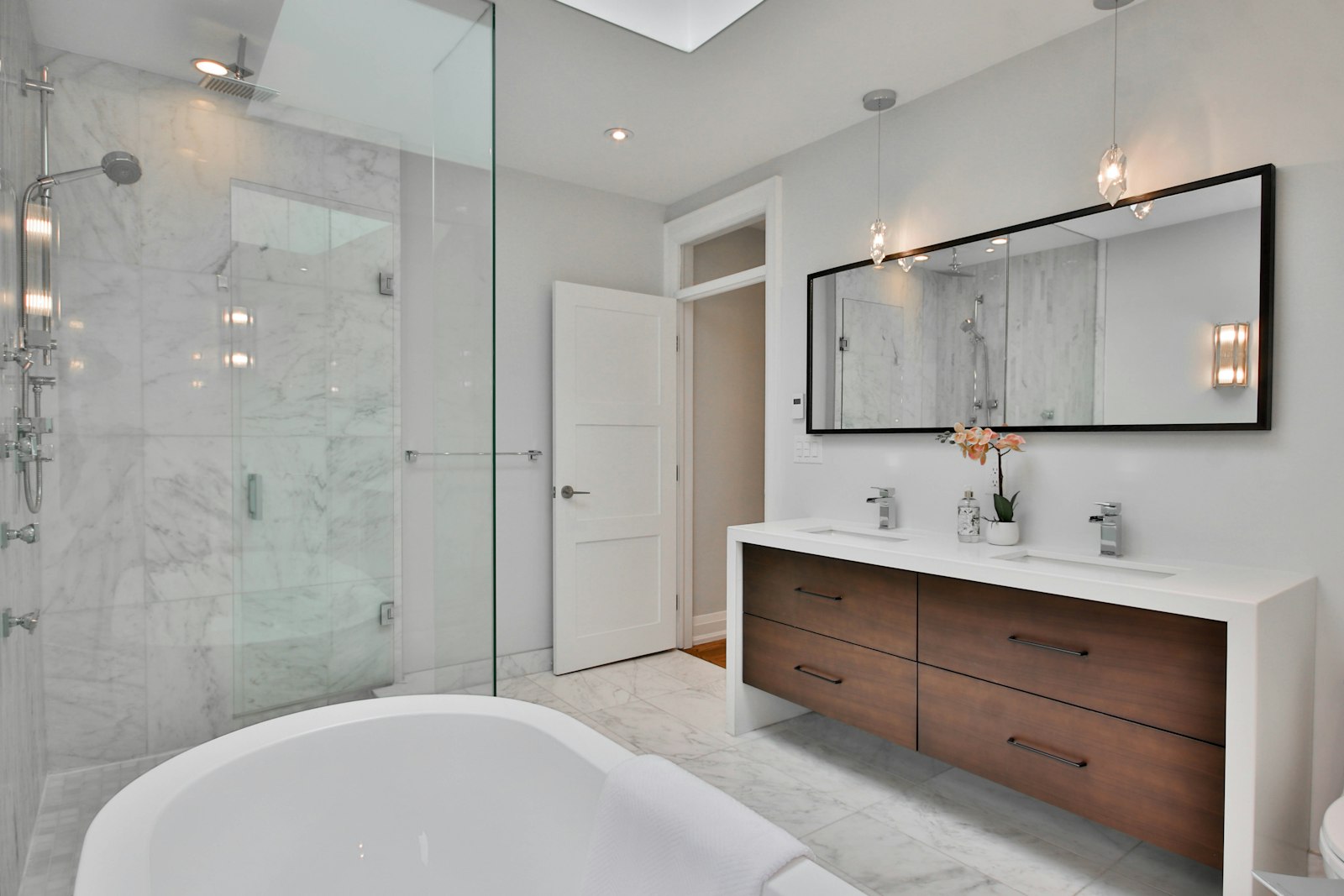
Bathrooms and kitchens produce a lot of steam, and many UAE apartments keep windows shut and the air conditioning running for most of the year. Warm, wet air meets cooler walls and ceilings, condenses, and leaves the surface damp for hours. Add a slow leak from a pipe, a failed silicone joint or a neighbour’s bathroom above, and mould has everything it needs.
The US Environmental Protection Agency puts it simply: the key to mould control is moisture control. If you clean the mould but leave the water problem, it will grow back (EPA, A Brief Guide to Mold, Moisture and Your Home).
Step 1: Find and fix the moisture source
Before you buy any paint, work out where the water is coming from:
- Condensation: mould spread evenly across the ceiling or the top of walls, worst above the shower. The cure is ventilation.
- Leaks: a patch that is wetter in one spot, often with a tide-mark or bubbling paint. Check pipes, the shower tray, silicone joints and the flat above.
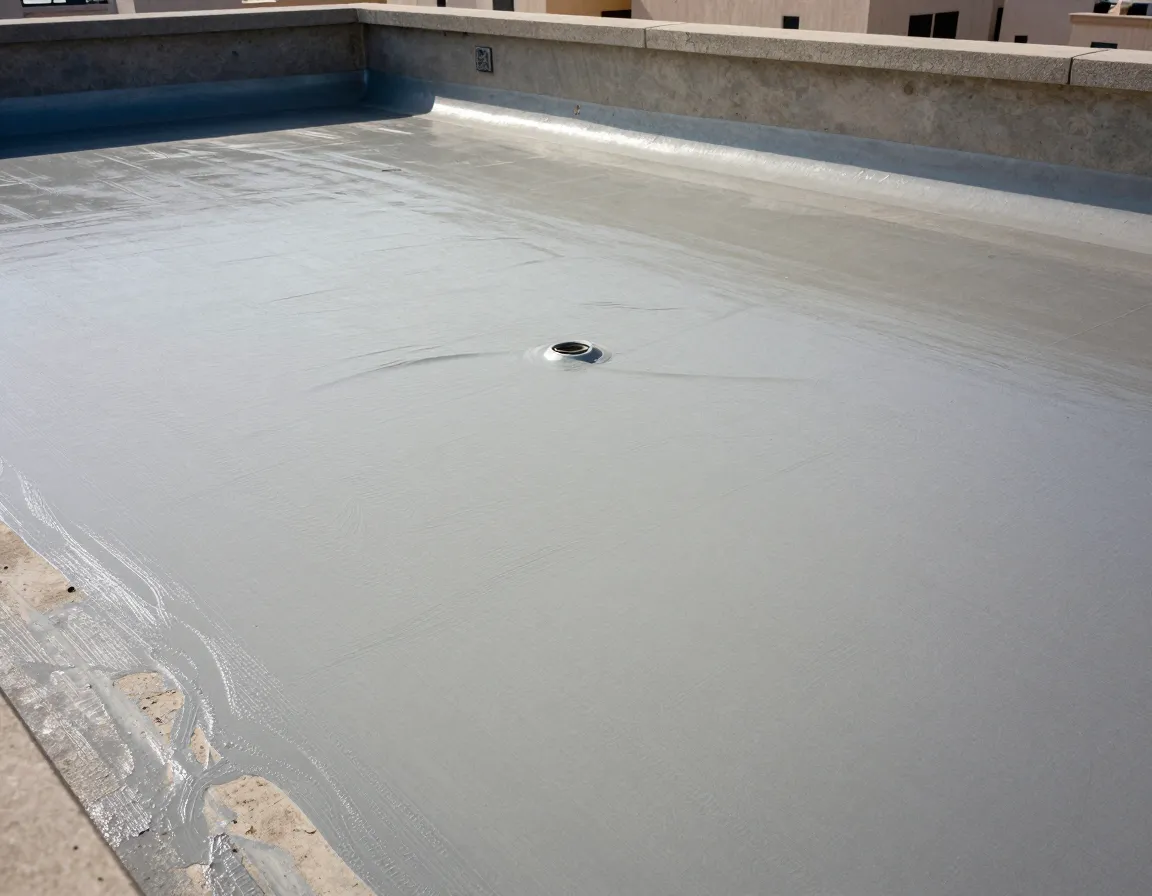
- Water coming through from outside or from a wet area next door: damp near the floor or on a shared wall. This may need waterproofing rather than paint.
If you rent, report leaks to your landlord or building management before you repaint, since the repair is usually theirs. The EPA advises drying water-damaged areas within 24 to 48 hours to prevent mould growth, and keeping indoor relative humidity below 60 percent, ideally between 30 and 50 percent. A cheap humidity meter tells you whether ventilation is working.
Step 2: Decide whether it is a DIY job
The EPA suggests most people can handle a mouldy area smaller than about 10 square feet (roughly 1 square metre) themselves. Call a professional with mould-cleanup experience if the area is larger, if there was significant water damage, or if the water involved was contaminated, such as a sewage backup.
Step 3: Clean the mould off
- Protect yourself. Wear rubber gloves and goggles. The EPA notes an N-95 respirator limits how many spores you breathe in, as long as it fits properly.
- Ventilate. Open the window and run the extractor fan while you work.
- Scrub. On hard surfaces such as painted plaster, tiles and grout, scrub the mould off with detergent and water. A fungicidal mould cleaner also works; follow its label exactly and never mix different cleaning products.
- Dry completely. Leave the surface to dry fully. Dulux recommends treating mould the day before you plan to paint (Dulux, Paint your bathroom in 10 easy steps).
- Replace what cannot be cleaned. Soft, absorbent materials such as ceiling tiles or water-damaged gypsum board may need replacing rather than cleaning. See our gypsum board guide for moisture-resistant options.
Step 4: Prepare the surface
Once the wall is clean and dry, treat it like any repaint. Scrape off loose or bubbled paint, fill cracks with a water-resistant filler, sand smooth and remove the dust. Wash greasy kitchen walls with sugar soap or a detergent solution and rinse with clean water. Cover the bathware, taps and floor before you start. Our wall preparation guide covers this step in more detail.
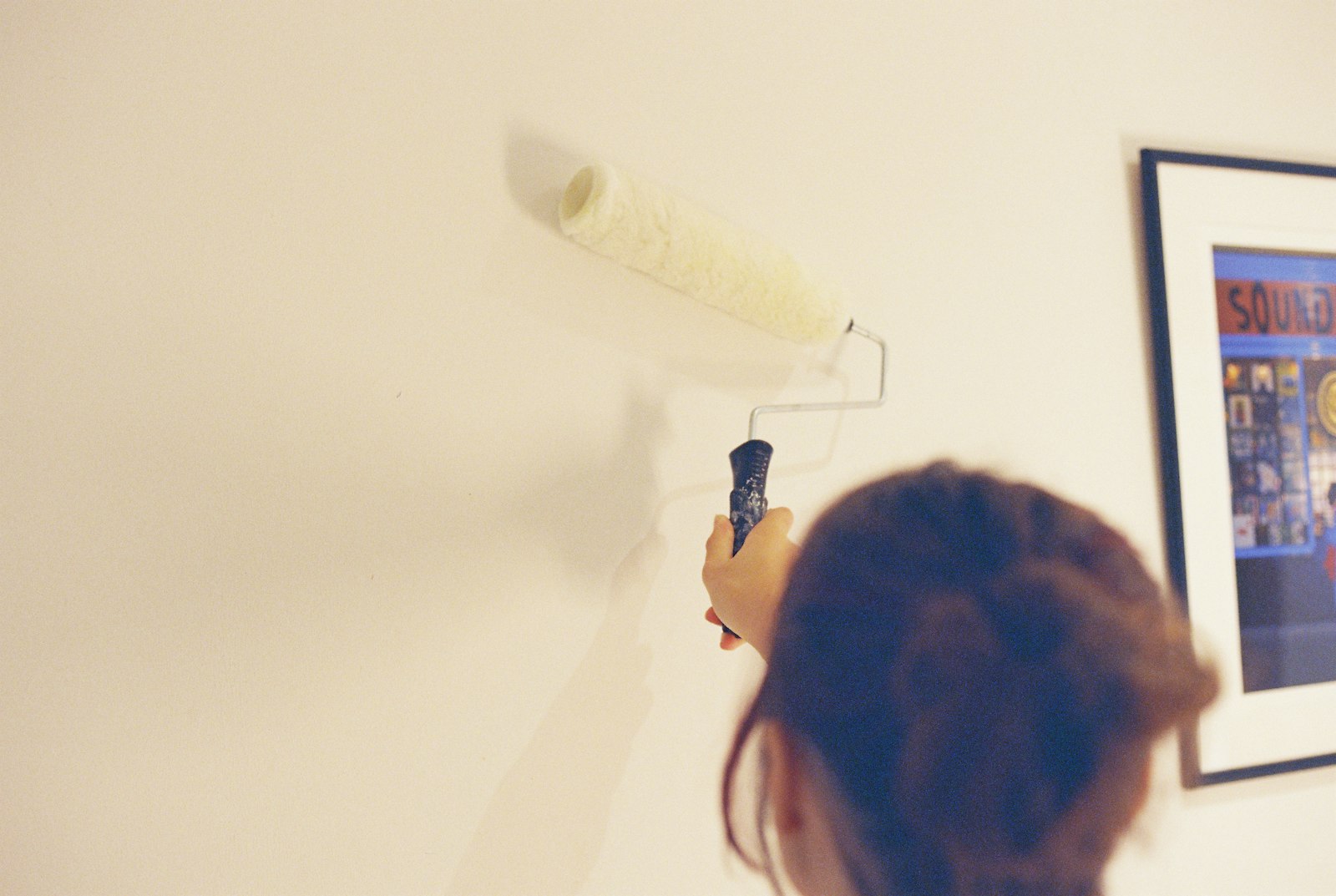
Step 5: Prime and repaint
- Primer: use the primer or sealer the paint system calls for, especially over filler, bare plaster or stains. See our guide to emulsions, enamels and primers.
- Topcoat: choose a paint made for bathrooms and kitchens, labelled as moisture- or mould-resistant. These resist steam and are easier to wipe clean.
- Finish: a satin or semi-gloss finish is easier to clean than matt in wet rooms. Our paint finish guide explains the trade-offs.
- Order: paint the ceiling first, then the walls, then doors and woodwork.
- Drying: follow the drying and recoat times on the tin, and avoid showering in the room until the paint has dried as the label specifies.
To work out how many litres you need, use our paint quantity guide.
Keeping mould from coming back
- Run the bathroom fan or open a window during and after every shower. The EPA recommends the same for cooking and running the dishwasher.
- Check the extractor fan actually pulls air. Hold a sheet of tissue near it; if it does not stick, the fan or duct needs servicing.
- Squeegee or wipe down shower walls and leave the door open afterwards.
- Redo cracked or black silicone joints around the bath, basin and sink.
- Wipe early spots as soon as they appear, before they spread.
Frequently asked questions
Can I just paint over mould with anti-mould paint?
No. Paint applied over mould tends to peel, and the mould can keep growing underneath. Clean and dry the surface first, then use mould-resistant paint to help keep it clean.
Why does mould return a few weeks after I clean it?
The moisture source is still there. Check ventilation, condensation and hidden leaks before cleaning again.
When should I call a professional?
When the mouldy area is larger than about 1 square metre, or after significant water damage or contaminated water such as a sewage backup.
Need help choosing paint for a wet room?
Al Tashteb Al Saree stocks primers and interior paints from National Paints, Terraco, Berger and Jotun. Browse our products or contact us with your room size and we will help you pick a system.
Sources
- US Environmental Protection Agency: A Brief Guide to Mold, Moisture and Your Home (US government guidance)
- Dulux South Africa: Paint your bathroom in 10 easy steps (manufacturer guidance, not UAE-specific)
Both sources retrieved 31 October 2026. Images from Unsplash: Lotus Design N Print, Hydra 4x and Barney Goodman.