Short answer: use uPVC for cold water and for drainage, soil and waste pipes; it is cheap, stiff and joined with solvent cement, but it is designed for cool water (one maker gives +5 to +60°C, with ratings based on 20°C). Use CPVC or PPR for hot and cold water supply. CPVC is joined with solvent cement and one leading system is rated for water up to 180°F (82°C). PPR is joined by heat fusion; a UAE maker gives 5–70°C for solid pipe and 5–95°C for fibre-reinforced pipe. In UAE villas and apartments, PPR is the most common choice for supply lines and uPVC for drainage. Here is uPVC vs CPVC vs PPR in detail.
Key points
- The biggest difference is temperature: uPVC is for cold water; CPVC and PPR handle hot water.
- Joining is the second: uPVC and CPVC use solvent cement (each its own type); PPR uses a fusion welding tool.
- Never mix solvent cements: CPVC needs CPVC cement (ASTM F493 in the American system).
- All three are plastics that should be protected from long exposure to sun on roofs.
- Check the pressure rating at your working temperature, not just the class printed at 20°C.
The three pipes side by side
| uPVC (PVC-U) | CPVC | PPR | |
|---|---|---|---|
| Material | Unplasticised polyvinyl chloride | Chlorinated PVC | Polypropylene random copolymer |
| Temperature range (maker examples) | +5 to +60°C; design basis 20°C (Durapipe PVC-U) | Water service up to 180°F / 82°C (FlowGuard Gold CPVC, ASTM D2846) | 5–70°C solid; 5–95°C fibre-reinforced (Corys Dacta Therm) |
| Hot water? | No | Yes | Yes (PN20 or composite) |
| Joining | Solvent cement | CPVC solvent cement (ASTM F493) | Socket or butt fusion with a heating tool |
| Typical UAE uses | Cold water mains, irrigation, drainage, soil and waste | Hot and cold water supply | Hot and cold water supply in villas and apartments |
| Stiffness | Stiff, straight runs | Stiff | Slightly flexible; needs more support when hot |
| Joint can be undone? | No: all three need a cut and new fitting to change a joint | ||
uPVC: cold water and drainage
uPVC is the workhorse for anything cold. Its pressure ratings are set at 20°C, and the Durapipe specification gives a temperature range of +5°C to +60°C, with the rating falling as temperature rises. That makes it a poor choice for hot water but a good one for cold mains, irrigation and, in its non-pressure form, for drainage, soil and waste lines where it is by far the most common material.
- Join with the solvent cement the pipe maker specifies; clean and prime the joint if the system calls for it.
- Pressure and drainage uPVC are different products; do not use thin drainage pipe for pressure lines.
- Allow the joint to cure before pressure testing, as the cement maker instructs.
CPVC: hot and cold, solvent-welded
CPVC is PVC that has been further chlorinated to raise its temperature limit. Charlotte Pipe describes its FlowGuard Gold CPVC as “for hot and cold water distribution” and “for pressure systems where temperatures will not exceed 180 F.” It is joined with CPVC solvent cement, so no power tool is needed, which some plumbers prefer for repairs and tight spaces.
- Use CPVC cement, not PVC cement.
- Many CPVC systems are made to American copper-tube sizes, which do not match metric PPR or uPVC sizes; use proper transition fittings.
- CPVC can become brittle when knocked at low temperatures and must be supported well; follow the maker’s support spacing.
PPR: hot and cold, fusion-welded
PPR is joined by heating the pipe and fitting together on a tool, so a correct joint becomes one piece of plastic. It comes in pressure classes (PN10 to PN25) and in fibre-reinforced composite versions that expand far less. We cover sizes, classes and welding times in detail in our PPR pipe guide. The key numbers from the Corys Dacta Therm manual: solid PPR 5–70°C and 0.15 mm/m·°C expansion; fibre-reinforced PPR 5–95°C and 0.035 mm/m·°C.
Which pipe for which job
| Job | Usual choice | Notes |
|---|---|---|
| Hot water from heater to taps | PPR PN20 or composite; or CPVC | Composite PPR for exposed or long hot runs |
| Cold water inside the home | PPR or CPVC (or pressure uPVC) | Many installers use PN20 PPR throughout to keep one system |
| Roof tank to risers | PPR or pressure uPVC, protected from sun | Roof pipes get hot; sleeve or insulate |
| Garden irrigation | uPVC or PE | Cold water; bury or shade |
| Drainage, soil and waste | uPVC drainage pipe | Correct falls and access points |
| AC condensate drains | uPVC | Small diameter, with traps where needed |
Sun, heat and UAE roofs
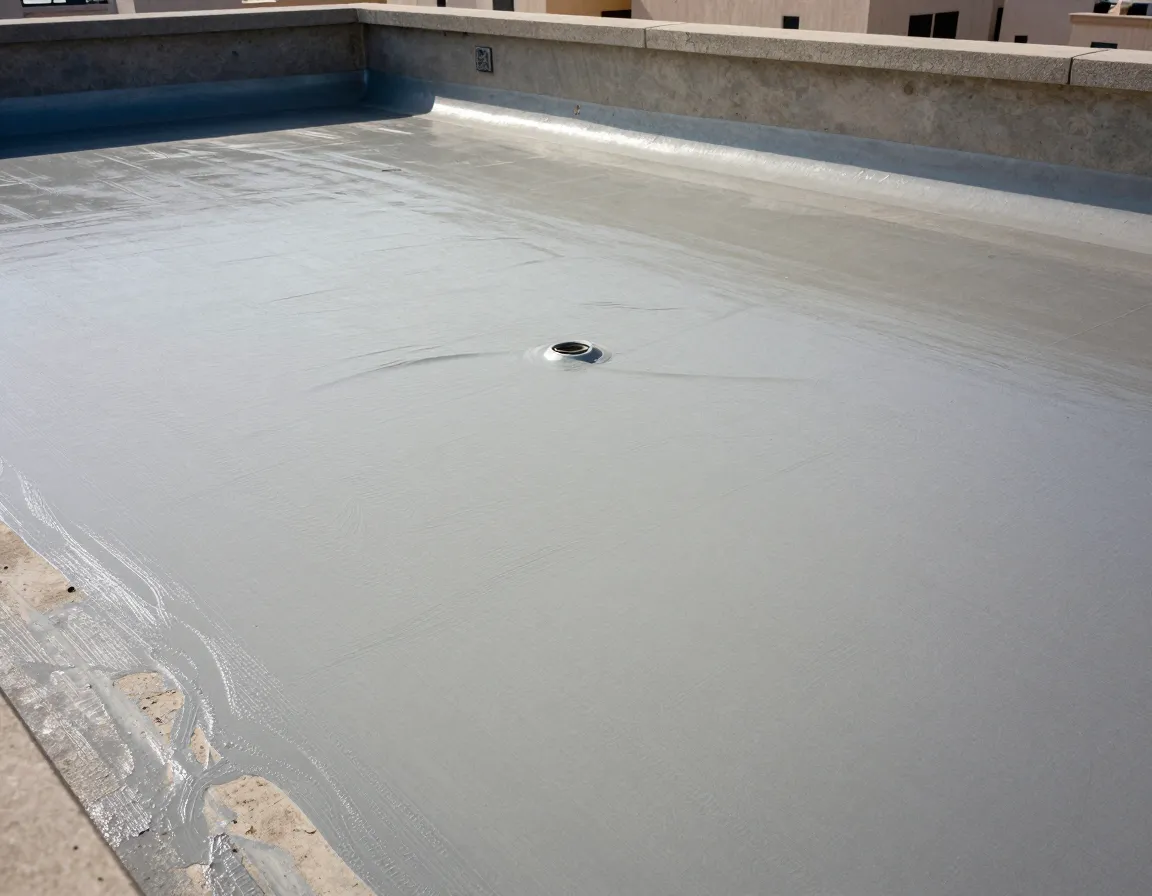
Plastic pipes on UAE roofs face two problems: UV light, which degrades many plastics over time, and heat, which lowers the pressure a plastic pipe can safely carry. Water sitting in a pipe in July sun can be much warmer than the “cold water” the pipe was rated for. Route pipes in shade where you can, sleeve or insulate exposed runs, and choose a class that is rated for the temperature it will actually see.
Mistakes to avoid
- uPVC on hot-water lines.
- PVC solvent cement on CPVC, or any solvent cement on PPR (which must be fused).
- Mixing brands of PPR pipe and fittings without checking compatibility.
- Joining plastic to metal threads with a plastic thread that cracks when tightened; use metal-insert transition fittings.
- Pressure testing before solvent joints have cured or fusion joints have cooled.
Questions we are often asked
Is PPR better than CPVC?
Both handle hot water. PPR’s fused joints are very reliable when made properly and it is the more common choice in the UAE; CPVC’s solvent joints need no power tool. Availability of matching fittings and installer experience usually decide.
Can uPVC carry drinking water?
Pressure uPVC pipes approved for potable water are widely used for cold drinking water; check the pipe’s marking and approvals.
We stock PPR, uPVC pipes and fittings with our hardware range. Send us your materials list (sizes in mm, classes and quantities) for a quote. Message us on WhatsApp. Al Tashteb Al Saree Building Materials Trading, Bu-Tina, Sharjah.
Sources
- Durapipe, PVC-U system specification (PDF)
- Charlotte Pipe, FlowGuard Gold CTS CPVC pipe and fittings system
- Corys Piping Systems, Dacta Therm PP-R manual
Retrieved November 2026. Temperatures are for the named systems; other brands publish their own limits.