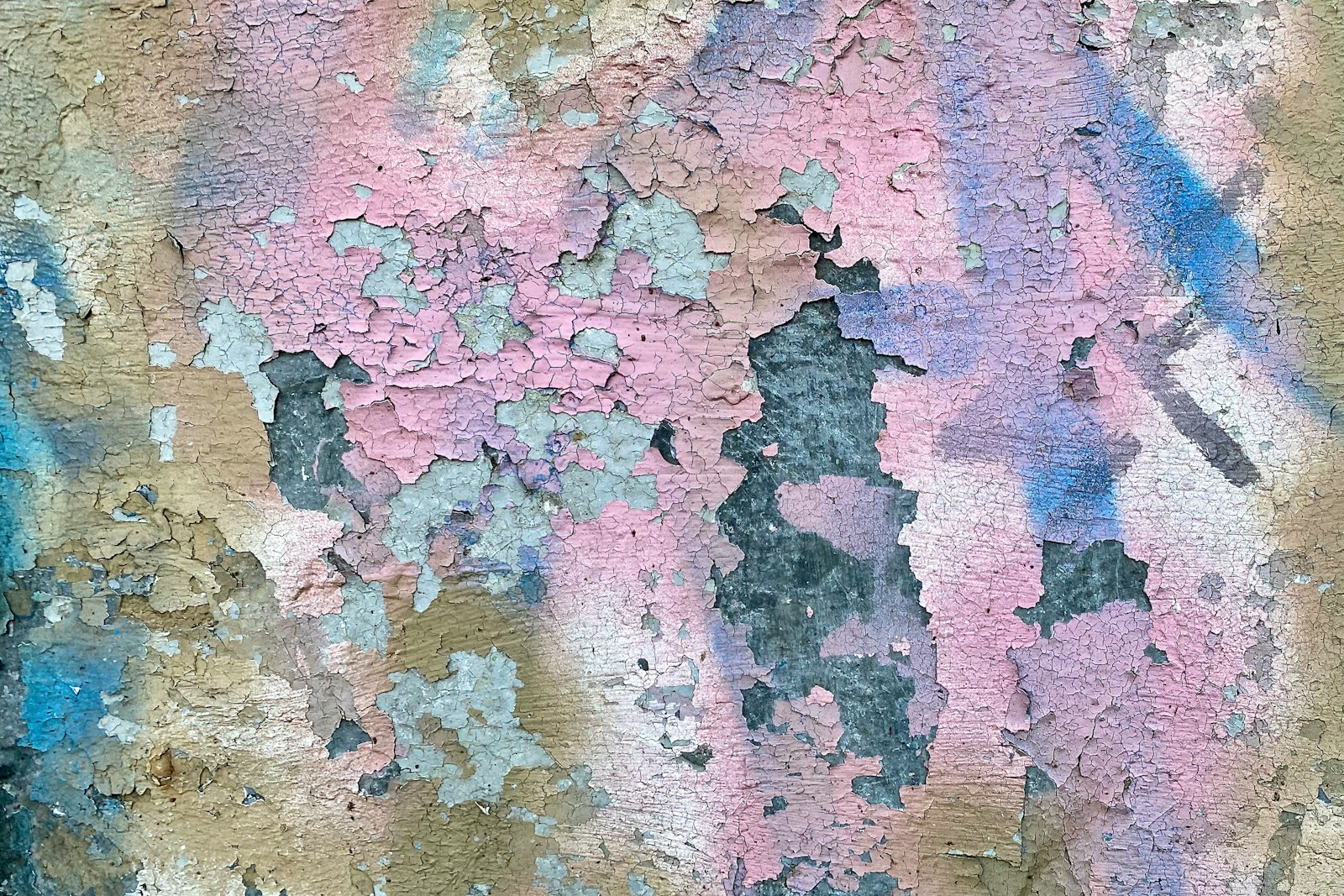
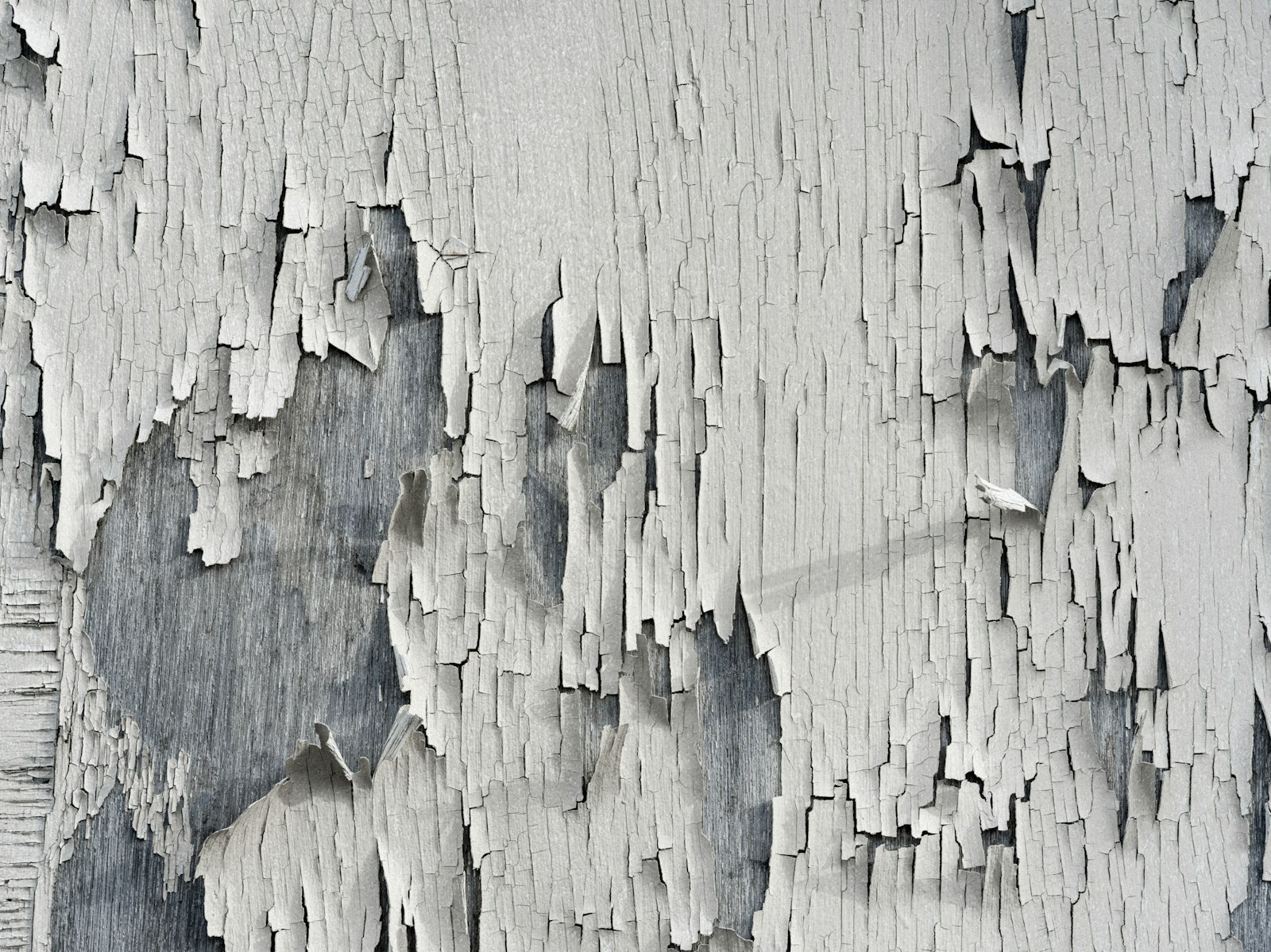
Peeling, flaking and blistering paint are the most common paint problems we hear about. Repainting over them rarely works, because the new coat sits on a surface that has already lost its grip. The repair starts with finding the cause: in most cases it is heat, moisture or a surface that was not prepared properly.
Key takeaways
- Blisters are bubbles caused by trapped moisture, gas or heat. Peeling is paint that has lost adhesion.
- Break open a blister: if only the top coat lifts, heat is the likely cause; if it goes down to the bare surface, moisture is more likely.
- Fix the cause first: stop the damp, avoid painting hot surfaces, and clean before painting.
- Remove failed paint back to a firm edge, sand, prime bare areas and repaint.
Blistering, peeling and flaking: what is the difference?
- Blistering: bubbles in the paint film. Asian Paints describes it as a defect caused by trapped moisture or gases in the paint film, most often seen in enamels.
- Peeling and flaking: the coating pulls away from the surface, or one coat lets go of another, because it has lost adhesion. Contamination on the surface or incompatible coatings are common causes.
The main causes
Heat
Painting in direct sun or onto a hot surface can make the fresh coat blister. Dunn-Edwards advises repainting only when the surface temperature is below 90°F (about 32°C). In the UAE, exterior walls in direct sun are often well above that for much of the day, so paint shaded walls first and work early in the morning or late in the afternoon.
Moisture
Damp is behind most blistering. Asian Paints lists leakage or seepage in the wall as a cause, and Dunn-Edwards notes moisture passing through walls in bathrooms, kitchens and laundry rooms. Paint applied to a damp surface, or rained or dewed on before it cures, can also blister.
Surface and application problems
- Paint or putty applied too thickly.
- Fresh plaster that has not fully cured.
- Emulsion painted over distemper without removing it first.
- Dust, grease or dirt left on the surface, and poor ventilation while the paint dries.
How to find the cause
Dunn-Edwards suggests breaking open a blister and looking underneath. If only the newest coat has lifted, heat is the likely cause. If the blister includes several coats and exposes the bare surface, moisture is more likely. A damp patch, tide-marks or a nearby bathroom, AC drain or roof point the same way.
How to fix it
- Stop the moisture. Repair leaks, loose sealant or failed joints and improve ventilation. Wet areas next to a roof, terrace or balcony may need waterproofing first.
- Remove the failed paint. Scrape or sand back to a firm edge where the remaining paint is well bonded, or strip it completely if it is failing over a large area.
- Sand and clean. Smooth the edges so they do not show through, then remove dust and dirt.
- Prime bare areas. Use a suitable primer on any bare plaster, concrete or wood.
- Repaint in thin coats. Use a compatible paint system and apply thin, even coats rather than one heavy one. Outdoors, avoid painting surfaces in direct sun.
Our wall preparation guide covers cleaning, filling and sanding in more detail, and our guide to filling exterior cracks helps if the damage reaches the plaster.
How to stop it happening next time
- Keep walls dry and waterproof any area with known damp before painting.
- Let new plaster cure fully before painting.
- Remove old distemper completely before using emulsion.
- Use the coating system the manufacturer specifies, on a clean surface, and follow its data sheet for drying times and conditions.
Frequently asked questions
Can I just paint over blistered paint?
No. The blisters will show through and the new coat will fail with the old one. Remove the blistered paint, fix the cause and prime bare areas first.
Why is my new exterior paint bubbling?
The two usual reasons are painting in direct sun on a hot wall, or moisture in the wall. Break a blister open to see which one it is.
Why is paint peeling in my bathroom?
Usually steam and poor ventilation. See our guide on dealing with damp and mould in bathrooms and kitchens.
Need help choosing the right system?
Al Tashteb Al Saree stocks primers, interior and exterior paints from National Paints, Terraco, Berger and Jotun. Browse our products or contact us with a photo of the problem and we will help you choose.
Sources
- Dunn-Edwards: Paint problem solver, blistering (US manufacturer)
- Asian Paints: Paint defects FAQ (Indian manufacturer)
Both sources retrieved 31 October 2026; neither is UAE-specific. Images from Unsplash: Bekky Bekks and Kier in Sight Archives.