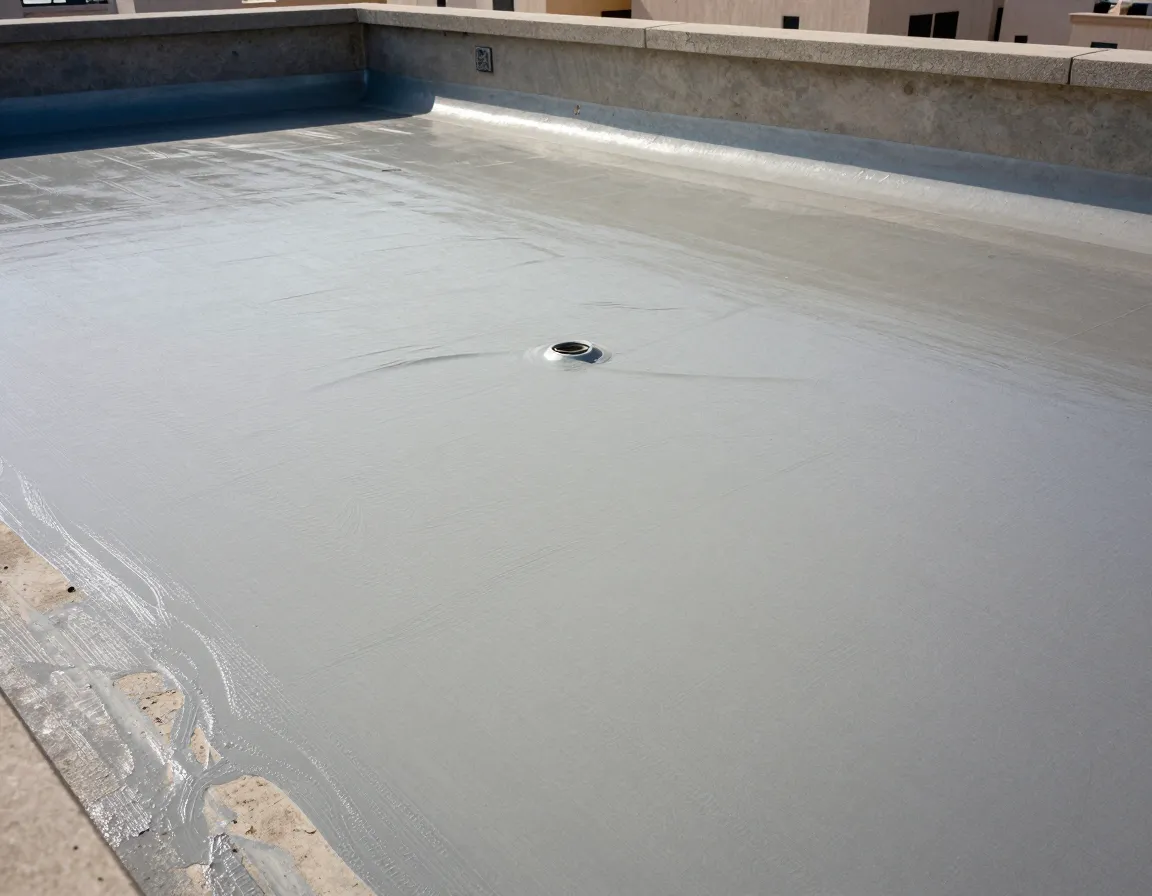
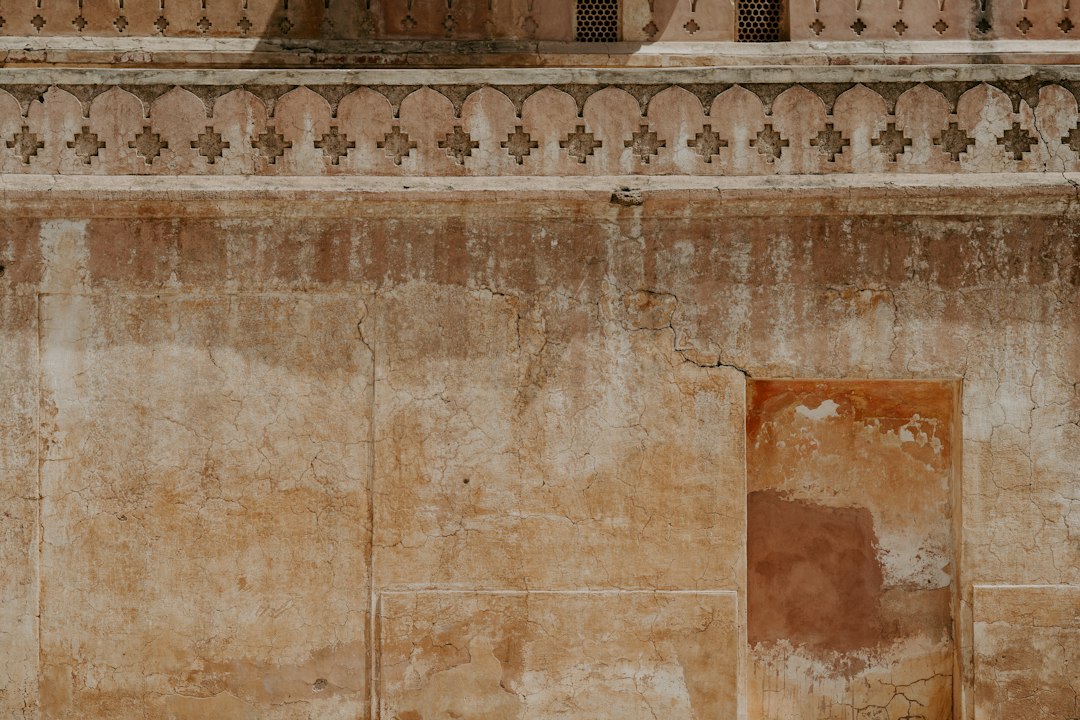
Walk onto a villa site in Sharjah, Ajman, or Dubai where newly plastered block walls are covered in map-like shrinkage cracks or white salt crusts within three weeks of curing, and the root cause is almost always sitting in the stockpile out front. Either a subcontractor blended cheap unwashed desert dune sand (“sweet sand”) into the plaster mortar to make it feel “buttery” on the trowel, or the site foreman volume-batched damp washed black sand without correcting for 20% to 25% moisture bulking—producing a starved, brittle mortar bed that debonds in 45°C UAE summer heat.
In the UAE, construction sands and coarse aggregates are strictly separated by geological origin—crushed igneous gabbro from Fujairah and Hatta, crushed limestone from Ras Al Khaimah (RAK), and wind-blown desert dune sand—and governed by BS EN 12620:2013 (Aggregates for concrete), BS EN 13139:2013 (Aggregates for mortar), and BS EN 13242:2013 (Aggregates for unbound and hydraulically bound sub-base materials). This guide breaks down every UAE sand and aggregate grade, chloride and silt limits, m³ to metric tonne conversion densities, and exact bag and tipper quantities.
In This Guide
- Quick-Answer Cheat Sheet: Which UAE Sand or Aggregate for Which Job?
- UAE Construction Sand & Aggregate Comparison Table (Sizes, Bulk Densities & Standards)
- BS EN 12620 & BS EN 13139 Rules: Chlorides, Silt Content & Damp Sand Bulking
- Worked UAE Quantity Calculation: Villa Wall Plaster, Screed & Interlock Sub-Base
- 5 Common Sand & Aggregate Mistakes on UAE Sites (And How to Avoid Them)
- Frequently Asked Questions (FAQs)
Quick-Answer Cheat Sheet: Which UAE Sand or Aggregate for Which Job?
- 0–5 mm Double-Washed Black Sand (Plastering & Screed Sand): Crushed, hydro-cyclone washed gabbro/wadi sand from Fujairah or RAK quarries compliant with BS EN 13139:2013. Sharp, angular particles lock together with low silt/clay fines (
< 3%). Mandatory for internal and external plastering, spatterdash key coats, 400×200 mm blockwork mortar, and floor screeds. - Red / White Desert Dune Sand (“Sweet Sand” / Filling Sand): Fine, wind-rounded quartz and carbonate grains (
0.15–0.60 mm). Zero angular interlock and often elevated soluble salts. Use only for underground uPVC/PPR pipe bedding (100–150 mmsurround), interlock paver bedding (30–50 mmlayer), and non-structural trench backfilling. Never mix into structural concrete or final coat plaster without an approved mix design. - 10 mm (3/8") & 20 mm (3/4") Crushed Gabbro Aggregate: Dense, non-reactive igneous crushed stone from Fujairah/Hatta conforming to BS EN 12620:2013 (oven-dry particle density
2.85–2.95 Mg/m³). Used for structural site-mixed concrete, C20 to C40 concrete mixes, precast lintels, and thick floor screeds (10 mmsingle-size pea gravel). - 0–5 mm Crushed Limestone Quarry Dust (Crusher Dust): Unwashed fine stone dust from crusher plants. High fines content (
10%–18%passing0.063 mm). Suitable only for interlock joint sweeping, cable trench blinding, or concrete block manufacturing—never for wall plastering. - 0–40 mm Graded Road Base / Sub-Base: Well-graded crushed limestone or gabbro aggregate mixed with binder fines per BS EN 13242:2013. Compacted in
150 mmlayers to95%–98% Maximum Dry Density (MDD)beneath villa ground slabs, interlock driveways, and road pavements. - m³ to Metric Tonne Conversion Rule of Thumb: Loose dry washed black sand weighs
~1.60 tonnes/m³(1,600 kg/m³);10 mmand20 mmcrushed gabbro aggregate weigh~1.55–1.65 tonnes/m³loose; compacted0–40 mmroad base requires~2.10–2.20 tonnes per compacted m³after accounting for25%–30%vibratory roller compaction.
UAE Construction Sand & Aggregate Comparison Table (Sizes, Bulk Densities & Standards)
Before raising a purchase order or calculating quantities with our Plaster Calculator or Concrete Mix Calculator, match the quarry material grade, particle size, and loose vs compacted bulk density against your consultant specification:
| UAE Material Name & Source | Grading / Size (mm) | Loose Bulk Density (t/m³) | Governing Standard | Max Fines (<0.063 mm) & Chloride Limit | Approved UAE Site Uses & Delivery Format |
|---|---|---|---|---|---|
| Double-Washed Black Sand (Fujairah / RAK Gabbro) | 0–4.75 mm (Zone II / Medium) | 1.58 – 1.65 t/m³ | BS EN 13139 & BS EN 12620 | Fines < 3%; Acid-soluble Cl⁻ ≤ 0.06% | Internal/external wall plaster, spatterdash, block mortar, floor screed, tile bed (20/40 kg bags, 1 t jumbo bags, tippers) |
| Washed White / Plaster Sand (Crushed Limestone / Silica Blend) | 0–2.36 mm (Fine Plaster Grade) | 1.50 – 1.58 t/m³ | BS EN 13139 | Fines < 3%–5%; Cl⁻ ≤ 0.06% | Smooth final coat plaster, decorative masonry pointing, fine skim mortar |
| Red / Yellow Desert Dune Sand (“Sweet Sand”) | 0.15–0.60 mm (Uniform Rounded) | 1.45 – 1.55 t/m³ | Project Earthworks / Utility Spec | Unwashed; variable soluble salts | MEP pipe trench bedding (100–150 mm), interlock paver bedding (30–50 mm), foundation backfill |
| 10 mm (3/8") Crushed Aggregate (Fujairah Gabbro / RAK Limestone) | 4.75–10 mm (Single-Sized Coarse) | 1.55 – 1.62 t/m³ | BS EN 12620 | Fines < 1.5%; Cl⁻ ≤ 0.03%; SO₃ ≤ 0.2% | Thick floor screeds (50–75 mm), congested rebar concrete, precast lintels, C20–C40 mix blends |
| 20 mm (3/4") Crushed Aggregate (Fujairah Gabbro / RAK Limestone) | 10–20 mm (Graded / Single-Sized) | 1.58 – 1.65 t/m³ | BS EN 12620 | Fines < 1.5%; Flakiness Index FI ≤ 20% | Structural concrete footings, slabs, columns, blinding concrete, drainage French drains |
| 0–40 mm Road Base / Sub-Base (Graded Crushed Stone) | 0–37.5 mm (Continuous Grading) | 1.75 t/m³ loose (~2.15 t/m³ compacted) | BS EN 13242 | CBR ≥ 80% at 98% MDD; Plasticity Index PI < 6 | Sub-base under villa ground slabs, interlock driveways, boundary paths, and road works (bulk tipper loads) |
BS EN 12620 & BS EN 13139 Rules: Chlorides, Silt Content & Damp Sand Bulking
Why do UAE municipal inspectors and engineering consultants reject uncertified sand loads on site? Three physical and chemical properties govern whether fine and coarse aggregates pass laboratory testing in Dubai, Sharjah, and Ajman:
- 1. Acid-Soluble Chloride (
Cl⁻) & Sulfate (SO₃) Thresholds: Desert and coastal sands in the Arabian Gulf carry naturally high chloride and sulfate salts unless sourced from inland hard-rock quarries and hydro-washed. Under BS EN 12620:2013 and UAE municipal durability codes, acid-soluble chloride ions in aggregate for reinforced concrete and cementitious mortar must not exceed0.06%by mass of aggregate (and≤ 0.03%for prestressed concrete), while acid-soluble sulfate (AS) is capped at0.2% to 0.4%. Excess chlorides corrode embedded12 msteel rebar, GI blockwork mesh, and galvanized plastering angle beads, while sulfates trigger expansive ettringite cracking in OPC cement mortar. - 2. Clay, Silt & Dust Fines (
< 0.063 mm) & The 30-Minute Site Jar Test: Under BS EN 13139:2013 Category 1, plastering and masonry sand should contain no more than3%fines passing the0.063 mm(63 micron) sieve. When unwashed crusher sand contains8%–12%ultrafine stone dust or clay, the dust coats the sand grains, increases water demand, and causes severe plastic shrinkage cracking as the wall dries in UAE heat. On site, fill a straight-sided glass jar50%with sand, add water to75%, shake vigorously for 60 seconds, and let it settle for 30 minutes: if the visible silt layer resting on top of the coarse sand exceeds3% to 5%of the sand height, reject the load for plastering. - 3. The Damp Sand Bulking Phenomenon (
20%–28%Volume Expansion): Double-washed black sand delivered fresh from a washing plant typically holds4% to 6%surface moisture. Thin water films push the sand grains apart, causing the apparent loose volume to swell (“bulk”) by20% to 28%compared to bone-dry sand. If your masons batch a1:4cement-to-sand plaster mix by volume using standard wheelbarrows or wooden gauge boxes without increasing the damp sand volume by~22%, the true dry sand ratio drops to1:3.1—wasting cement bags and causing rigid, over-rich plaster to craze and crack.
⚠️ UAE QS & Procurement Warning: The “18 m³ Tipper Load” vs Weighbridge Tonnage Trap
Never pay for bulk tipper deliveries of washed black sand or 10/20 mm aggregate based solely on a verbal “18 m³” or “22 m³” truck capacity without checking the certified quarry weighbridge ticket in metric tonnes. A six-wheel or ten-wheel tipper loaded with damp, fluff-bulked washed sand at the quarry loses 15%–20% of its apparent volume during highway vibration from Fujairah or RAK to Sharjah and Dubai. Always convert your required net dry volume into metric tonnes (1 m³ loose dry washed black sand ≈ 1.60 tonnes) or order pre-weighed 20 kg / 40 kg woven polypropylene bags and 1,000 kg (1 tonne) jumbo bags for commercial tower fit-outs and villa renovations where material wastage and hoist lifting are tightly controlled.

Worked UAE Quantity Calculation: Villa Wall Plaster, Screed & Interlock Sub-Base
To see how volume-to-tonnage conversions and compaction factors work in a real Bill of Quantities (BOQ), let’s calculate the exact sand, aggregate, road base, and 50 kg OPC cement bag order for a G+1 villa in Al Tai (Sharjah) or Al Yasmeen (Ajman). You can cross-check individual elements with our Plaster Calculator, Block Calculator, and Excavation Calculator.
📐 Worked UAE Villa BOQ Calculation: Plastering, Floor Screed & Interlock Driveway
1. Internal & External Wall Plaster (450 m² net area at 15 mm average thickness, 1:4 Cement : Washed Black Sand mix):
- Net Wet Mortar Volume:
450 m² × 0.015 m = 6.75 m³. - Dry Loose Volume (including
1.33dry void-fill factor +15%site rebound & uneven block wastage):6.75 m³ × 1.33 × 1.15 = 10.32 m³total dry mix. - 50 kg OPC Cement Bags (
1 partof5 total parts):(1 ÷ 5) × 10.32 m³ = 2.064 m³ × 1,440 kg/m³ = 2,972 kg→60 bagsof50 kgOPC cement (plus SBR latex bonding agent for the3–5 mmspatterdash key coat). - 0–5 mm Double-Washed Black Sand (
4 partsof5 total parts):(4 ÷ 5) × 10.32 m³ = 8.26 m³dry loose volume. At1.60 tonnes/m³bulk density =13.22 tonnes→ Order14 metric tonnes(or14 × 1,000 kgjumbo bags /350 × 40 kgsmall site bags).
2. Roof & Wet-Area Floor Screed (120 m² at 50 mm average thickness, 1:3:3 Cement : Washed Black Sand : 10 mm Crushed Gabbro Aggregate):
- Net Wet Screed Volume:
120 m² × 0.050 m = 6.00 m³. - Dry Loose Volume (
1.45concrete/screed dry factor +10%wastage):6.00 × 1.45 × 1.10 = 9.57 m³total dry volume (7total mix parts). - Materials Required:
• 50 kg OPC Cement:(1 ÷ 7) × 9.57 m³ = 1.367 m³ × 1,440 kg/m³ = 1,969 kg→40 bagsof50 kgcement.
• 0–5 mm Washed Black Sand:(3 ÷ 7) × 9.57 m³ = 4.10 m³ × 1.60 t/m³→6.60 tonnes(~7 tonnes).
• 10 mm (3/8") Crushed Gabbro Aggregate:(3 ÷ 7) × 9.57 m³ = 4.10 m³ × 1.58 t/m³→6.50 tonnes(~7 tonnes).
3. Villa Interlock Driveway Sub-Base & Bedding (150 m² area with 150 mm compacted Road Base + 40 mm Dune Sand Bedding):
- 0–40 mm Road Base Sub-Base:
150 m² × 0.150 m = 22.50 m³compacted volume. Multiplying by2.15 tonnes per compacted m³(accounts for1.75 t/m³loose density +23%roller compaction shrinkage +5%grading loss) =48.4 tonnes→ Order50 metric tonnes(two25-tonnetipper loads). - Red Dune Sand Bedding Layer (
40 mmthickness):150 m² × 0.040 m = 6.00 m³compacted ×1.20plate-compactor settlement & waste =7.20 m³loose ×1.50 t/m³=10.8 tonnes→ Order11 to 12 metric tonnesof clean red dune sand.
5 Common Sand & Aggregate Mistakes on UAE Sites (And How to Avoid Them)
- Blending Unwashed Red Dune Sand into Wall Plaster to “Make It Smooth”: Masons frequently sneak
25%–30%red desert dune sand into washed black plastering sand because the rounded quartz grains slide more easily under an aluminium straight-edge and steel float. Because desert dune sand lacks angular interlock and contains soluble chlorides and sulfates, the plaster develops hollow spots, spiderweb crazing, and white salt efflorescence that destroys expensive interior and exterior paint systems within months. If you need a finer final plaster coat, order certified0–2.36 mmdouble-washed plaster sand or finish with a polymer-modified Terraco stucco skimcoat. - Using Unwashed Crusher Quarry Dust Instead of Washed Black Sand for Screeds: Unwashed
0–5 mmcrusher dust looks superficially similar to washed black sand when wet, but it carries12%–18%rock flour fines (< 0.063 mm). Those fines float to the top of a floor screed during trowelling, creating a weak, dusty laitance crust that causes C2TE tile adhesive or epoxy floor primer to peel clean off the slab. Always insist on hydro-washed black sand with< 3%silt fines. - Ignoring Damp Sand Bulking When Volume-Batching in Gauge Boxes: When a fresh load of washed black sand arrives damp at
5%moisture content, its loose volume expands by roughly22%–25%. If your concrete or plaster mixer crew uses four level gauge boxes of damp sand per bag of cement without expanding the sand volume, the mortar ends up over-cemented and shrinks violently on the wall. Either calibrate your gauge boxes for damp bulking or weigh a sample bucket on site with basic site measuring tools. - Ordering 20 mm Aggregate for Thin Screeds or Congested Lintels: Under UAE structural practice, maximum nominal aggregate size must never exceed one-quarter to one-third of the minimum member thickness or be larger than the clear gap between reinforcing bars minus
5 mm. For40–60 mmbonded floor screeds, narrow concrete door lintels, and dense column heads, order10 mm(3/8") single-sized crushed gabbro rather than standard20 mmaggregate to prevent honeycombing. - Dumping Loose Tipper Loads on Tight Fit-Out Sites With High Wastage: Tipping
20 tonnesof loose washed sand onto an unprotected asphalt road or desert plot edge results in15%–20%loss from wind erosion, bobcat tyre contamination, and ground mixing. For villa extensions, commercial retail fit-outs, and upper-floor tower jobs in Dubai and Sharjah, ordering washed black sand and10 mmaggregate in20 kg/40 kgwoven PP bags or1,000 kgFIBC jumbo bags eliminates ground wastage and allows clean pallet moving via service lifts.
Frequently Asked Questions (FAQs)
How many tonnes is 1 m³ of washed black sand and 20 mm aggregate in the UAE?
In the UAE, 1 m³ of loose dry double-washed black gabbro sand (0–5 mm) weighs approximately 1.58 to 1.65 metric tonnes (use 1.60 tonnes/m³ for standard QS estimating). For 10 mm (3/8") and 20 mm (3/4") crushed Fujairah gabbro aggregate, 1 m³ loose weighs 1.55 to 1.65 metric tonnes. For 0–40 mm road base sub-base, 1 m³ loose weighs ~1.75 tonnes, but 1 m³ of compacted in-situ sub-base (at 95%–98% MDD) requires 2.10 to 2.20 metric tonnes of delivered material.
Why is washed black sand better than red dune sand for plastering and blockwork in the UAE?
Double-washed black sand is produced by crushing hard gabbro rock in Fujairah or Ras Al Khaimah and washing out clay, silt, and soluble salts to comply with BS EN 13139. Its sharp, angular grains mechanically lock together with cement paste to produce high-strength, low-shrinkage mortar and plaster. Red desert dune sand consists of smooth, wind-rounded grains with poor mechanical bond and higher natural chloride and sulfate content, which leads to hollow plaster, shrinkage cracking, and white salt efflorescence.
What is the maximum chloride and silt limit for plastering and concrete sand in the UAE?
Under BS EN 12620, BS EN 13139, and UAE municipal specifications (such as Dubai Municipality / DCL and Sharjah Municipality), fine aggregate used for reinforced concrete and structural mortar must have an acid-soluble chloride (Cl⁻) content of no more than 0.06% by mass (and ≤ 0.03% for prestressed concrete) and acid-soluble sulfates (SO₃) below 0.2% to 0.4%. Clay and silt fines passing the 0.063 mm sieve should not exceed 3% for Category 1 mortar and plaster sand.
Should I order washed black sand in 20 kg / 40 kg bags, 1-tonne jumbo bags, or bulk tipper loads?
For new villa shells or large ground-floor plastering and screed packages exceeding 15 to 20 tonnes where open storage space is available, a certified weighbridge bulk tipper load offers the lowest cost per tonne. For apartment renovations, commercial mall or tower fit-outs, roof screed repairs, and restricted villa plots in Dubai, Sharjah, and Ajman, ordering 20 kg or 40 kg woven polypropylene bags or 1,000 kg (1-tonne) crane-liftable jumbo bags prevents 15%–20% ground wastage and allows clean movement through goods lifts.
Need Washed Black Sand, Aggregate, Cement Bags & Plastering Accessories Delivered in the UAE?
Whether you are ordering 0–5 mm double-washed black sand and 10/20 mm aggregate in site bags or jumbo bags, 50 kg OPC/SRC cement, SBR latex bonding agents, or masonry & plastering supplies, Al Tashteb Al Saree Building Materials Trading supplies contractors and villa owners from our yard in Bu Tina, Sharjah. Use our UAE VAT Calculator and send us your BOQ for a fast commercial quote in AED (incl. 5% VAT) with prompt site delivery across Sharjah, Ajman, and Dubai.
💬 WhatsApp Your Sand, Aggregate & Cement List for an Instant Quote