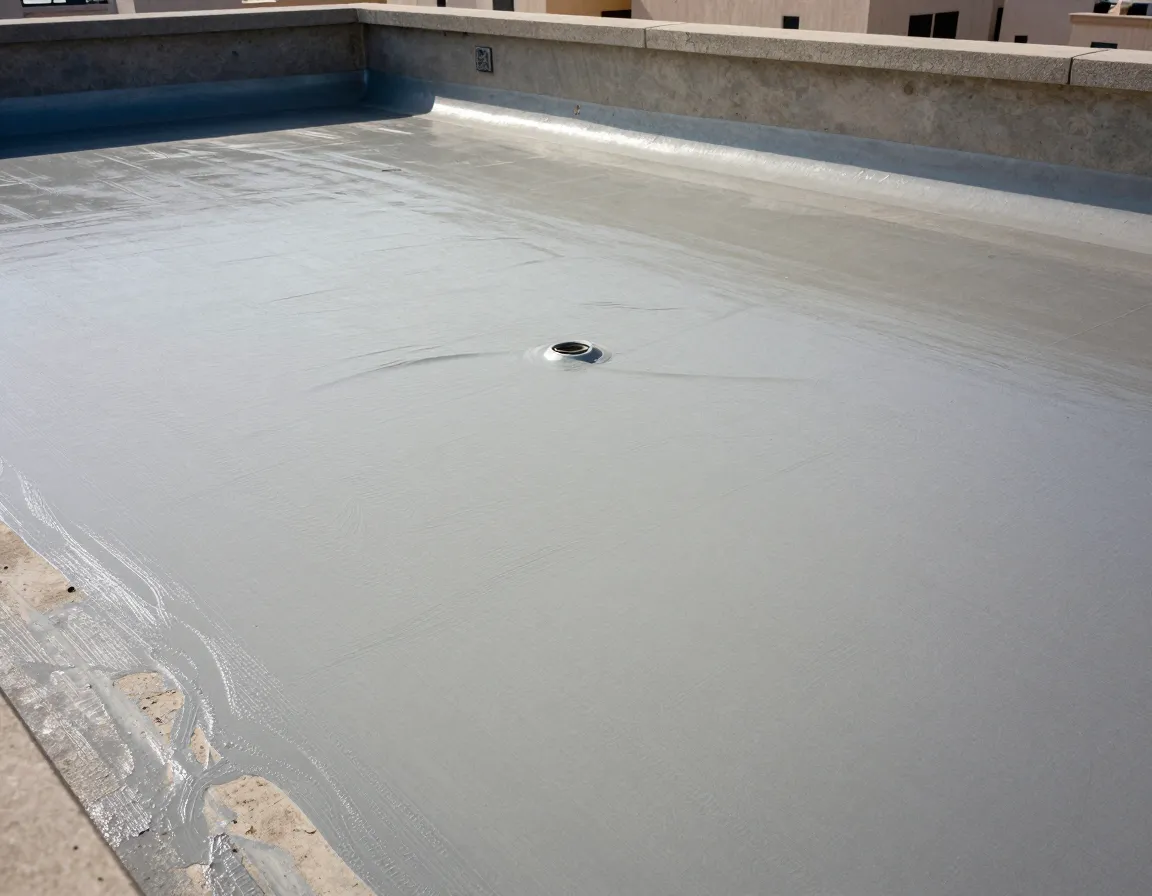
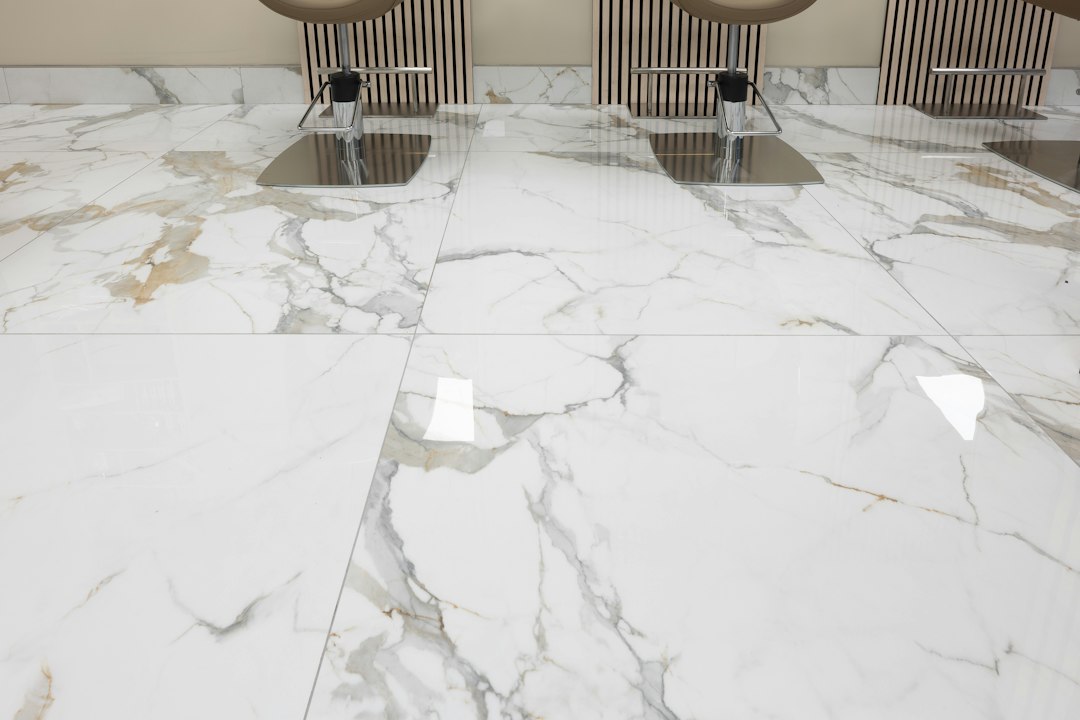
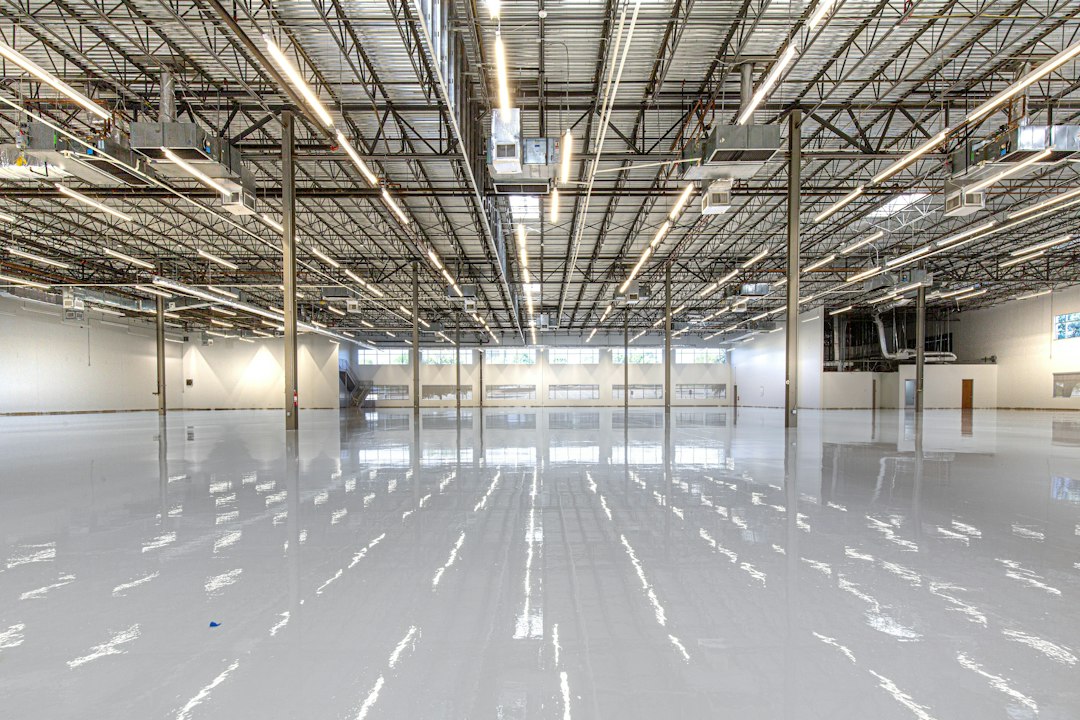
Nothing ruins a luxury Dubai or Sharjah fit-out faster than laying 1200×600 mm porcelain tiles, SPC vinyl planks, or warehouse epoxy over an uneven, hollow cement-sand floor screed. Within months of handover, hollow corners crack under foot traffic, vinyl planks click and separate at the joints, or the tiling contractor burns through twice the budgeted C2TE tile adhesive trying to pack up a wavy slab.
Across the UAE, floor screeds and polymer-modified smoothing compounds are governed by GSO EN 13813:2021 (Screed material and floor screeds — Properties and requirements) and the installation rules of BS 8204-1:2003+A1:2009. Knowing when to pour a 25 kg bag of self-levelling floor screed in the UAE versus a traditional 1:4 cement-sand bed saves days of grinding and prevents costly floor delaminations.
In This Guide
Quick Answer: UAE Floor Screed & Self-Levelling Cheat Sheet
- 2 mm to 15 mm thickness (Self-Levelling Underlayment): Use pre-bagged 25 kg polymer-modified cementitious self-levelling compound (CT-C25-F5 or CT-C30-F6) over primed concrete or existing screed before laying SPC/LVT vinyl, parquet, carpet, microcement, or large-format porcelain tiles.
- 25 mm to 40 mm thickness (Bonded Cement-Sand Screed): Use a semi-dry 1:3 or 1:4 OPC cement-sand mix mechanically bonded to a scabbed structural slab using an acrylic/SBR bonding slurry bridge.
- 50 mm+ thickness (Unbonded Screed) or 65 mm+ (Floating Screed): Required under BS 8204-1 whenever the screed sits on a polythene damp-proof membrane, bitumen waterproofing, or acoustic/thermal roof insulation boards.
- Never feather-edge sand-cement mortar below 20 mm: Traditional site-mixed cement and sand dries out, curls at the edges, and shatters if laid thin—always switch to a polymer self-leveller for thin feathering and tolerances under 3 mm over a 2 m straightedge (SR1).
- Consumption benchmark: Most 25 kg self-levelling floor compounds use 1.6 to 1.7 kg per m² per mm of thickness (one 25 kg bag covers ~3.0 m² at 5 mm depth).
Self-Levelling Underlayment vs Traditional Cement-Sand Screed (GSO EN 13813)
Under GSO EN 13813:2021, every floor screed is classified by its binder and 28-day prism strength: CT stands for Cementitious Screed, C denotes minimum compressive strength in MPa (N/mm²), and F denotes minimum flexural strength in MPa. For example, a commercial self-levelling compound rated CT-C25-F5 delivers 25 MPa compressive strength and 5 MPa flexural (bending) strength—far more resilient than a hand-mixed 1:4 site screed that often struggles to reach C16-F3.
In UAE commercial fit-outs (DIFC, Business Bay, Sharjah industrial warehouses, and villa renovations), program speed and flatness tolerance (Surface Regularity SR1 = ≤ 3 mm gap under a 2 m straightedge per BS 8204-1) dictate which system wins. Self-levelling compounds take foot traffic in 3 to 4 hours and receive tiles or vinyl in 24 to 48 hours, whereas a 50 mm site-mixed sand-cement screed needs 7 days of wet polythene curing plus up to 1 day per mm of drying time before moisture-sensitive epoxy or vinyl can be glued down.
Material cost in AED (plus 5% UAE VAT) depends on whether you are building bulk thickness (where 50 kg OPC bags and washed plaster/screed sand are most economical) or correcting final level tolerance (where 25 kg self-levelling bags and acrylic substrate primer eliminate labour-intensive grinding and excessive tile adhesive). WhatsApp your floor area and thickness in mm for a firm quote.
| Feature / Specification | Polymer-Modified Self-Levelling Compound (25 kg Bag) | Bonded Site-Mixed Cement-Sand Screed (1:3 to 1:4) | Unbonded / Floating Cement-Sand Screed (Over Membrane) |
|---|---|---|---|
| GSO EN 13813 Typical Class | CT-C25-F5 to CT-C35-F7 | CT-C20-F4 (with strict w/c control) | CT-C20-F4 (often reinforced with polypropylene fibres or mesh) |
| Design Thickness Range | 2 mm – 15 mm (up to 30 mm with graded aggregate) | 25 mm – 40 mm (40 mm max recommended) | ≥ 50 mm unbonded on membrane; ≥ 65 mm floating on insulation |
| Substrate Primer / Bonding | Acrylic floor primer mandatory to seal pores & stop pinholes | Mechanical scabbling + SBR/acrylic cement slurry bond coat | Laid over 500–1000 gauge polythene slip sheet or waterproofing |
| Surface Flatness (BS 8204-1) | SR1 (≤ 3 mm deviation under 2 m straightedge) | SR2 (≤ 5 mm) or SR1 with laser screeding | SR2 (≤ 5 mm) for general tiling & stone beds |
| Walkable / Overlay Time (UAE) | Walkable in 3–4 hrs; tile/vinyl in 24–48 hrs | 7 days wet curing; 3–4 weeks drying for resin/vinyl | 7 days wet curing; 4–6 weeks full moisture drying |
| Best UAE Site Applications | Fast-track offices, SPC/LVT vinyl, parquet, epoxy prep, large tiles | Villa room levelling, corridor beds over bare RC slabs | Wet rooms over waterproofing, roof terraces, acoustic floors |
UAE Hot-Weather & Unprimed Concrete Warning: Never pour a self-levelling compound onto a dry, unprimed concrete slab in a warm UAE building. The thirsty concrete sucks the mixing water out of the slurry within seconds, killing its flow, trapping air bubbles that erupt as volcano pinholes across the surface, and causing the layer to debond with a hollow drum sound. Always vacuum dust thoroughly, roll on an acrylic substrate primer from our building chemicals or Terraco range, and turn off direct AC drafts or block hot window sun during the first 6 hours of set.
Worked UAE Calculation: 25 kg & 50 kg Bag Quantities for a 120 m² Floor
Whether you are pouring a 5 mm self-levelling skim for an office fit-out or casting a 40 mm cement-sand screed before tiling a villa, calculate your exact bag count first so your mixers don’t stop mid-bay. Cross-check your floor finishes and mortar volumes with our Concrete Mix Calculator, Tile Calculator, and Tile Adhesive Calculator.
Worked Example: 120 m² Open-Plan Villa / Retail Floor (Comparing 5 mm Self-Leveller vs 40 mm Traditional Screed)
Option A: 5 mm Polymer-Modified Self-Levelling Compound (25 kg Bags)
- Material Consumption: 120 m² × 5 mm average thickness × 1.65 kg/m²/mm = 990 kg net powder.
- Wastage & Slab Undulation Buffer (8%): 990 kg × 1.08 = 1,069.2 kg.
- Total 25 kg Bags Required: 1,069.2 ÷ 25 kg = 42.77 → Order 43 bags of 25 kg self-levelling compound + 15–20 litres of acrylic floor primer (~0.12–0.15 L/m²).
Option B: 40 mm Bonded Cement-Sand Screed (1:4 Mix Using 50 kg OPC Bags)
- Wet Screed Volume: 120 m² × 0.040 m = 4.80 m³.
- Dry Material & Compaction Factor (×1.35): 4.80 × 1.35 = 6.48 m³ dry volume.
- Cement & Sand Order (incl. 5% site wastage): At ~7.5 bags of 50 kg OPC per m³ of wet 1:4 screed = 4.80 × 7.5 × 1.05 = 38 bags of 50 kg OPC cement + ~7.5 tonnes (5.2 m³) of washed 0–4 mm screed sand + 20 litres of SBR bonding agent for the slurry bridge.
Commercial Tip: Always add 5% UAE VAT to your final LPO total using our UAE VAT Calculator.
5 Common Mistakes on UAE Sites (And How to Avoid Them)
- Over-watering self-levelling compound to make it “flow further”: Adding even 0.5 litres of extra water above the datasheet limit (typically 4.5 to 5.0 litres per 25 kg bag) causes the heavy sand aggregate to sink to the bottom while weak white laitance floats to the top—leaving a chalky, dusty surface that peels off with the vinyl or tile adhesive. Measure water with a calibrated bucket every single bag.
- Skipping the spiked aeration roller on self-levelling pours: Self-levelling slurry will not release trapped mixing air on its own. Always roll the fresh pour immediately in two perpendicular passes using a spiked deaeration roller while wearing spiked shoes, before the 15–20 minute skinning window closes.
- Applying bonded sand-cement screed over dry water-sprinkled concrete instead of wet-on-wet SBR slurry: Throwing dry cement powder onto a wet slab does not create a structural bond. Mechanically scabble laitance off the base slab, pre-soak overnight, brush on a 1:1 cement-to-SBR polymer slurry coat, and lay the semi-dry 1:4 screed immediately while the slurry is still tacky (“wet-on-wet”).
- Omitting perimeter isolation foam around walls and columns: Screeds expand and contract slightly with thermal and moisture changes. Without a 5–8 mm compressible polyethylene foam strip around walls, columns, and door thresholds, the screed locks against the masonry and buckles or cracks across the middle of the room.
- Laying epoxy floor coatings or SPC vinyl before testing residual screed moisture: A screed that looks bone-dry on top in an air-conditioned Dubai office can still hold 6–8% moisture 20 mm down. Always verify residual moisture with a hygrometer or polythene-sheet tape test (typically ≤ 75% RH or ≤ 2.5–3.0% CM moisture for resin and vinyl) before sealing the floor.
Frequently Asked Questions
How many m² does one 25 kg bag of self-levelling floor compound cover in the UAE?
At a consumption rate of approximately 1.65 kg/m² per mm of thickness, one 25 kg bag covers around 5.0 m² at 3 mm depth, 3.0 m² at 5 mm depth, or 1.5 m² at 10 mm depth. Always add 5% to 10% extra bags to account for natural depressions in the structural concrete slab.
What is the minimum thickness for a traditional cement-sand floor screed in the UAE?
Under BS 8204-1, a traditional cement-sand levelling screed mechanically bonded to a prepared concrete slab with an SBR polymer slurry must be at least 25 mm thick (ideally 25–40 mm). Unbonded screeds laid over a polythene sheet or waterproofing membrane must be at least 50 mm thick, and floating screeds over compressible insulation must be at least 65 mm thick. For layers thinner than 20–25 mm, use a polymer-modified self-levelling compound instead.
Can I tile directly over a self-levelling floor compound, and how soon?
Yes. Most rapid-setting cementitious self-levelling compounds used on UAE fit-outs accept ceramic or porcelain tiling after 24 hours (and moisture-sensitive vinyl, parquet, or resin coatings after 24 to 48 hours, depending on layer thickness and ambient humidity). Always use a compatible C2TE or C2TES1 cementitious tile adhesive from our adhesives & sealants range.
Why do pinholes and craters appear in freshly poured self-levelling screed?
Pinholes occur when air trapped inside the porous concrete substrate escapes upward through the wet compound as the concrete absorbs water from the mix. You can eliminate pinholes by vacuuming all dust, sealing the slab with one or two coats of acrylic floor primer until a uniform sheen forms, and rolling the fresh pour immediately with a spiked aeration roller.
Need Floor Screed Cement, SBR Bonding Agents & Levelling Compounds?
Al Tashteb Al Saree Building Materials Trading (Bu Tina, Sharjah) supplies 50 kg OPC cement, washed screed materials, and cement & masonry supplies alongside SBR bonding slurries, primers, and building chemicals, Terraco levelling & repair products, and tile adhesives & sealants. WhatsApp your material list for a firm quote in AED incl. 5% VAT with fast delivery across Sharjah, Ajman, and Dubai.
WhatsApp Your Material List for a Firm Quote